India gives more powers to LG in IIOJK, rubber-stamp govt further sidelined
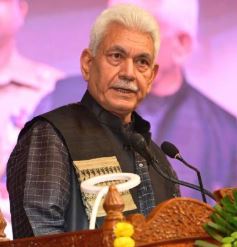
Srinagar: The Modi-led Indian government has delegated more powers to Lieutenant Governor Manoj Sinha, further sidelining the elected government in Indian illegally occupied Jammu and Kashmir.
According to Kashmir Media Service, the President of India, Droupadi Murmu, has authorised administrators and LGs of all Union Territories, including IIOJK, to exercise powers of the “appropriate government” under the Industrial Relations Code, 2020.
The notification issued on January 2 specifies that LGs will have authority to implement labour laws, oversee trade unions, and resolve industrial disputes in their respective territories, effectively bypassing local elected representatives. Officials said the move aims to streamline administration, but analysts in Kashmir view it as a deliberate attempt to centralise powers in the hands of the LG and the RSS-backed regime, enabling them to advance Hindutva policies and consolidate control over the territory.

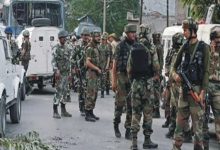
Observers pointed out that elected leaders in IIOJK already function as rubber stamps, with real authority resting with the LG. This latest delegation of powers is expected to tighten the grip of the occupation administration further, marginalise democratic structures, and weaken local institutions in Kashmir. Critics say such measures are part of a broader policy to enforce ideological conformity while systematically eroding Kashmiri identity.
The Industrial Relations Code, 2020, consolidates laws relating to trade unions, employment conditions, and industrial disputes. By vesting LGs with the role of the “appropriate government,” New Delhi not only centralises decision-making but also ensures that any industrial, labour, or trade-related matter in IIOJK remains under the direct control of the occupation authorities.
Analysts warned that, in a region already facing unprecedented restrictions, military crackdowns, and economic marginalisation, the increased powers of the LG are likely to intensify Kashmiri resentment and make the elected government increasingly irrelevant. They added that such moves deepen the pattern of authoritarian governance that has become routine in Indian illegally occupied Jammu and Kashmir.