Analysts contrast India’s posture with Pakistan’s global peace efforts
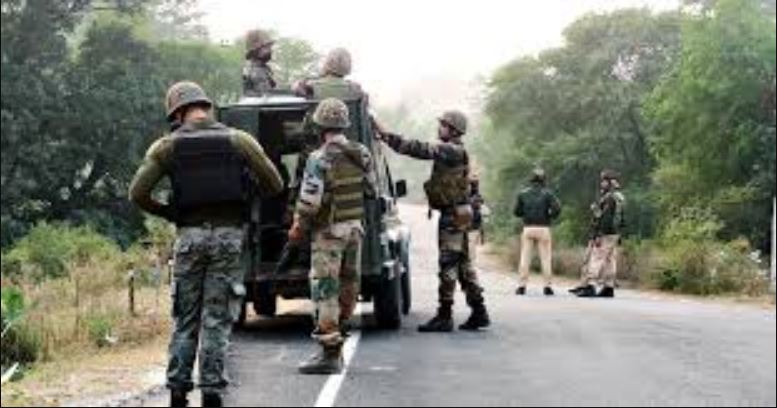
Srinagar: India has reportedly postponed mock drills planned in its border states and in disputed territory of occupied Jammu and Kashmir, citing “administrative reasons,” amid evolving regional and global dynamics.
According to Kashmir Media Service, the exercises were scheduled in IIOJK, Punjab, Gujarat and Haryana under “Operation Shield,” aimed at simulating emergency scenarios such as air raids, drone attacks and wartime contingencies. The drills were to be conducted under the supervision of India’s Ministry of Home Affairs.
The development comes at a time when Pakistan is engaged in diplomatic efforts at the global level, including facilitating ceasefire initiatives between Iran and the United States. Observers note that the postponement also follows earlier drills held in May last year, which were succeeded by escalatory actions, including Indian airstrikes inside Pakistan that resulted in civilian casualties. Pakistan, in response, carried out retaliatory measures, downing several Indian fighter jets, including Rafale aircraft.
Amid India’s continued military posturing, political observers and analysts have pointed to the stark contrast in the regional roles of the two countries. They note that while Pakistan is pursuing diplomatic avenues to ease tensions, India’s actions—ranging from repeated war-like exercises near the Line of Control to its aggressive stance—reflect a hardline approach.
Analysts say that the recurring scheduling of such drills, even when postponed, alongside ongoing militarization in IIOJK, sends mixed signals at a time when de-escalation is needed. They argue that such measures deepen uncertainty in the region and undermine prospects for durable peace, emphasizing that long-term stability in South Asia depends on restraint, constructive dialogue and resolution of longstanding disputes. KMS-3K