Over 60 Indian civil society groups condemn vindictive use of NSA against Assam rights activist
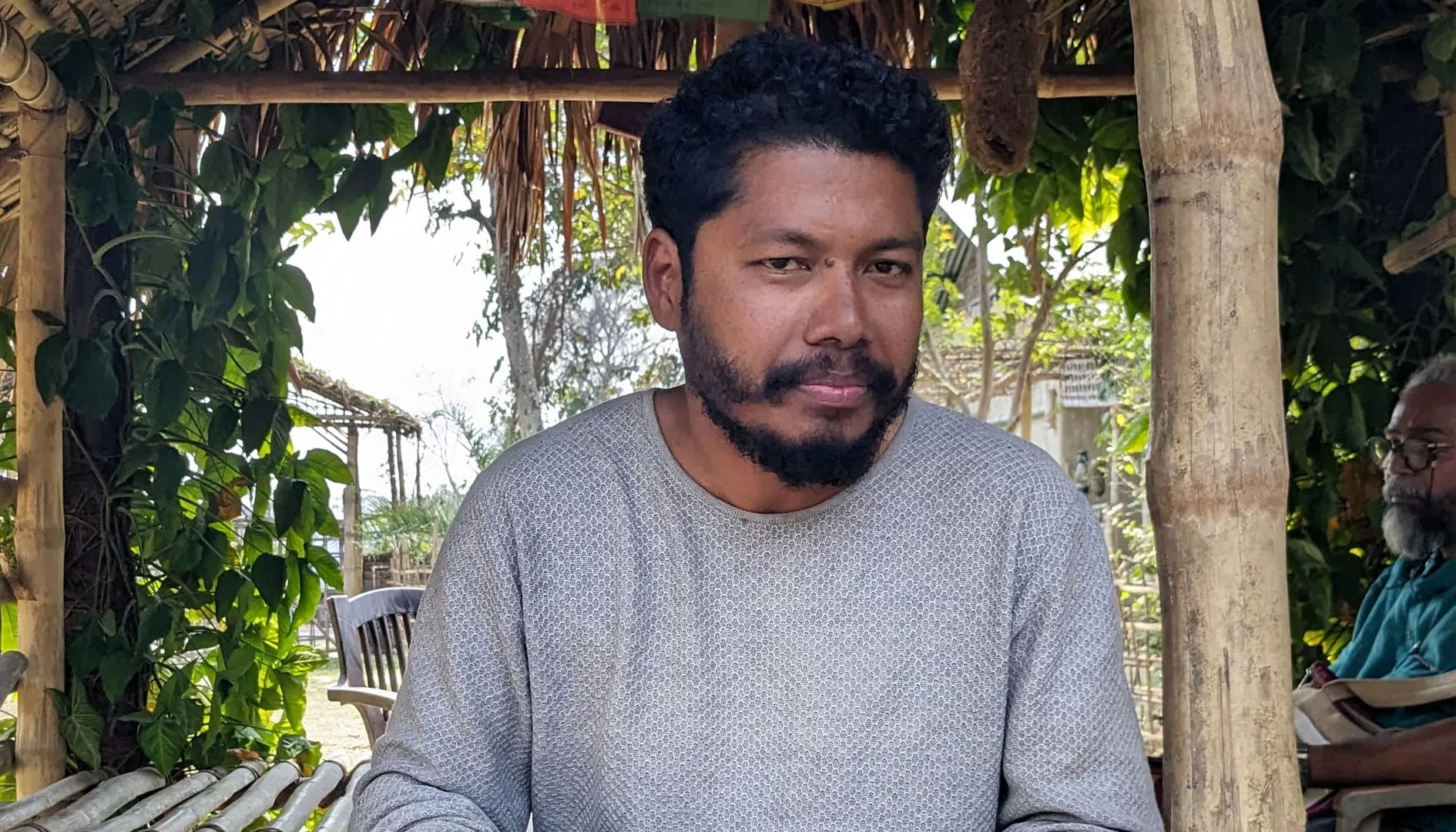
New Delhi: More than 60 Indian civil society groups, including people’s movements, trade unions and environmental organisations, have condemned the BJP-led Assam government’s invocation of the stringent National Security Act (NSA) against Indigenous rights activist Pranab Doley, calling it a vindictive attempt to keep him behind bars despite a court granting him bail.
According to Kashmir Media Service, in a joint statement, the signatories demanded the immediate revocation of the preventive detention order against Doley, convenor of the Greater Kaziranga Land and Human Rights Protection Committee (GKLHRPC), and called for the withdrawal of criminal cases against him and other activists protesting a proposed luxury resort project near Kaziranga National Park. They also demanded that the activists be released from jail immediatedly.
Doley was arrested on July 12 in connection with a police case registered after a June 28 demonstration against the proposed Hyatt luxury resort at Inglay Pathar near the Kaziranga National Park and Tiger Reserve. Four other activists, Amit Nag, Brijit Kutum, Bhaskar Saikia and Rajib Pegu, were also arrested in the same case. On July 29, a Golaghat Sessions Court granted bail to all five activists. However, a day later, the Assam government invoked Section 3(2) of the NSA against Doley, enabling his continued detention despite the court’s bail order.

The organisations termed the move an attempt to nullify the court’s decision, noting that the NSA permits preventive detention without trial for up to 12 months. They said the detention order was served on Doley’s family on July 31 while bail formalities were underway, describing it as a “blatant attempt to circumvent the process of law.”
The joint statement noted that the court had observed the dispute arose from concerns over environmental degradation and its impact on the socio-cultural life and livelihoods of Indigenous and Adivasi tea worker communities living around Kaziranga.
The organisations linked Doley’s arrest to the wider struggle over land rights in the Kaziranga region, where Indigenous and Adivasi communities have been opposing the transfer of land for commercial tourism projects, including the proposed Hyatt resort. They also criticized the grounds cited in the NSA detention order, which reportedly include Doley’s participation in peaceful protests, previous criminal cases, foreign travel and alleged suspicious foreign transactions.
Describing the use of preventive detention immediately after the grant of bail as an abuse of extraordinary powers, the organisations said the move undermines judicial independence and violates the constitutional right to personal liberty. They asserted that environmental defenders, land rights activists and Indigenous communities resisting displacement should not be treated as threats to national security, emphasizing that peaceful protest and the defence of land, forests and livelihoods are constitutionally protected democratic rights.