UN underfunding weakens monitoring of HR violations in occupied territories: Speakers
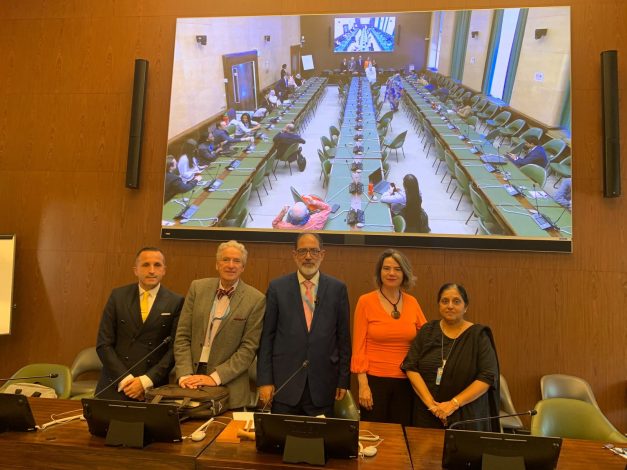
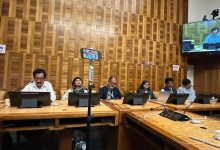
Geneva: Experts and diplomats at a seminar hosted by the World Muslim Congress have warned that the chronic underfunding of the United Nations human rights system is directly undermining the ability of the international community to protect civilian populations in occupied territories and conflict-hit regions.
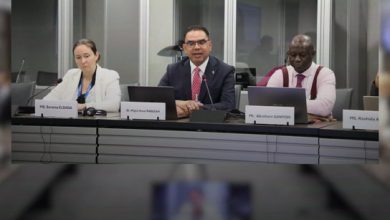
Speakers at the seminar, held on the sidelines of the 63rd session of the UN Human Rights Council, included former President of Azad Jammu and Kashmir Ambassador Sardar Masood Khan, former UN Independent Expert Alfred de Zayas, former Federal Minister for Law and Justice Ahmar Bilal Sofi, Dr Blerim Mustafa, Professor Octavia Chereze, Nimakta Fernandoo and World Muslim Congress Permanent Representative Altaf Hussain Wani. They argued that financial constraints were not merely administrative hurdles, but were actively weakening the mechanisms required for holding repressive regimes accountable.
The speakers highlighted the dangerous correlation between the lack of resources for the Office of the UN High Commissioner for Human Rights (OHCHR) and the escalating impunity in occupied territories. They stressed that without sustained and resilient funding, the UN cannot effectively monitor, document, or respond to grave violations of international law.

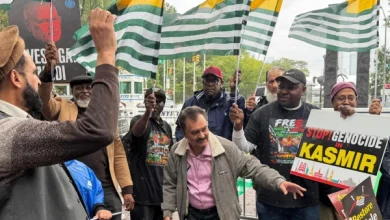
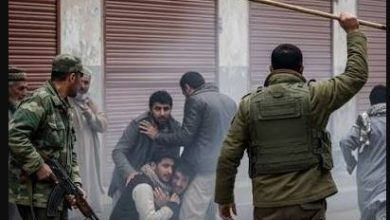
The seminar brought sharp focus to the dire situation in Indian illegally occupied Jammu and Kashmir (IIOJK). The speakers expressed grave concern over the systematic silencing of human rights organizations operating in Kashmir, which have historically played a vital role in documenting state repression.
The panel noted that the absence of robust, well-funded UN accountability mechanisms has emboldened crackdown on human rights defenders and the suppression of dissent. They called for India to be held accountable for grave human rights violations, asserting that a strengthened UN architecture was the only viable avenue for ensuring justice and upholding international law in the region.
The speakers expanded their concerns to include other conflict-hit regions, noting that the erosion of the UN’s financial leaves the most vulnerable populations, particularly those in occupied territories like Palestine and other conflict zones, without a protective shield. They warned when treaty bodies and Special Procedures are underfunded, the documentation of atrocities is compromised, allowing perpetrators to continue operating with impunity.
Participants at the seminar termed the continued underfunding of the UN human rights system a strategic failure. They called for immediate shift toward equitable and sustainable funding to ensure that UN can:
• Effectively monitor human rights violations in occupied territories;
• Protect human rights defenders from state-sponsored retaliation;
• Ensure that international law is applied consistently to all occupying powers;
“Continued underfunding does not just weaken a bureaucracy,” the speakers warned, adding, “It undermines the very mechanisms essential for ensuring accountability, respect for international law, and access to justice for the oppressed.”