Four years on, veteran Muslim leaders remain behind bars in India after PFI crackdown
Prolonged incarceration of elderly detainees raises fresh concerns over due process
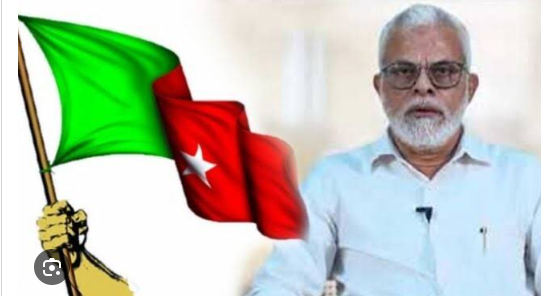 New Delhi: Veteran Muslim leaders arrested during the India-wide crackdown on the Popular Front of India (PFI) have completed four years in prison, with rights observers and their supporters describing the cases against them as politically motivated.
Those still incarcerated include former PFI chief and founding president of the Social Democratic Party of India (SDPI) E Abubacker; veteran journalist and National Confederation of Human Rights Organisations (NCHRO) general secretary Professor P Koya; former PFI national chairman OMA Salam; and former vice chairman E.M Abdul Rahiman.
India’s National Investigation Agency (NIA) arrested 42 Muslim men under the draconian Unlawful Activities (Prevention) Act (UAPA) in its first nationwide crackdown on the PFI on 22 September 2022. Six days later, on 27 September, the BJP-led Indian government banned the PFI and several affiliated organizations for five years, declaring them “unlawful associations.” The organizations named in the ban included the Campus Front of India, Rehab India Foundation, All India Imams Council, NCHRO, National Women’s Front, Junior Front, Empower India Foundation, and Rehab Foundation, Kerala. Several local and state-level leaders have since secured bail, while others, including elderly individuals, completed four years in prison.
In July 2026, a Special NIA Court at Delhi’s Patiala House Courts formally framed charges against the banned PFI and 20 of its office bearers. Special NIA Judge Prashant Sharma ordered the accused to face trial after the court found sufficient material to proceed with the case. The charges include criminal conspiracy, waging war against India, raising funds for a militant organisation, and recruiting people for militant activities under the UAPA. All the accused denied the allegations and claimed trial.

In a Facebook post marking the anniversary of the arrests, E Abubacker’s son Amal Thahseen described four years of court appearances, prayers and family milestones marked by the absence of loved ones. “The story of these four years is not just our family’s story,” he wrote.
Thahseen also said that seeing some of the imprisoned leaders appearing in court amid advancing age and health difficulties was painful, but said their families continued to hope for their return and had not lost faith in the legal process.
Last month, independent member of Parliament from Indian illegally occupied Jammu and Kashmir, Engineer Rashid, who is currently incarcerated in Tihar Jail, made a passionate appeal to fellow parliamentarians to seek the unconditional release of E Abubacker, citing his deteriorating health and advanced age.
In a handwritten letter dated August 21, Rashid described the 75-year-old Abubacker as suffering from multiple chronic ailments, including Parkinson’s disease, and said he had undergone cancer surgery. He further said Abubacker was severely debilitated and experiencing difficulty eating, speaking, hearing and writing.
Rashid said the condition of the ailing former PFI chairman reminded him and other inmates of Father Stan Swamy, the 84-year-old Jesuit priest and tribal rights activist who died in July 2021 while in custody.
Muslim groups, rights organizations and supporters of the jailed PFI leaders have criticized the government’s ban and the prosecution of its members, describing the cases as politically motivated and part of anti-Muslim policies by New Delhi. They have also raised concerns over the prolonged incarceration of elderly and ailing detainees under stringent provisions of the UAPA, arguing that lengthy pre-trial detention can have serious consequences for them and their families.