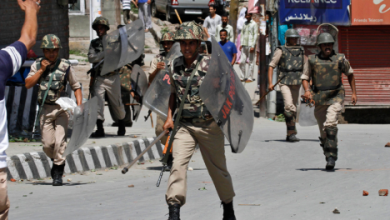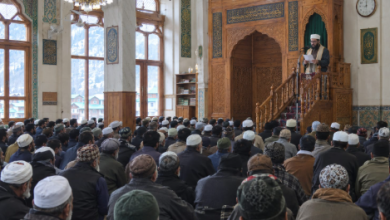
The developments in occupied Jammu and Kashmir since 2019 have brought profound changes to the political landscape. The prolonged incarceration of political workers, disruption of established political structures, and difficulties faced by families affected by conflict have created a challenging environment for those who continue to carry the aspirations of the people.
These circumstances also present a moment for the political leadership in the base camp and the Kashmiri diaspora to reassess their priorities and strengthen their engagement with the international community. Rather than allowing the political space surrounding Kashmir to gradually diminish, there is an opportunity to place the humanitarian and political concerns of the people of Kashmir before international institutions through peaceful and diplomatic means.
The ongoing 81st session of the United Nations General Assembly provides a particularly important diplomatic window. The General Debate is being held from September 22 to 28, bringing heads of state, governments and senior representatives from across the world to New York. The central theme of this year’s General Assembly is “Restoring trust, managing transformation: a United Nations that delivers for all.”
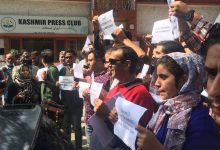
At this important juncture, the leadership in the base camp, together with the diaspora, could intensify efforts to ensure that the concerns of Kashmiris are presented through credible, peaceful and evidence-based diplomatic channels.
Particular attention could be directed towards the situation of Kashmiri political prisoners and undertrial prisoners, the circumstances of families affected by prolonged incarceration or conflict, and broader concerns relating to human rights and fundamental freedoms in occupied Jammu and Kashmir. Documented cases, verified testimonies and credible legal material could be systematically compiled and presented to relevant international human-rights mechanisms, diplomatic missions and international organisations.
The present UNGA session also provides an opportunity to engage directly with countries that have historically taken an interest in the Kashmir issue. Pakistan’s foreign minister is participating in the 81st UNGA high-level week, and Pakistan has also convened the OIC Contact Group on Jammu and Kashmir on the sidelines of the session. Recent reporting indicates that the OIC Contact Group discussed Kashmir and that Pakistan has called for maintaining a unified position on the issue at international forums.
This diplomatic activity could be complemented by a broader civil-society effort from the Kashmiri diaspora. Rather than relying exclusively on government-to-government diplomacy, diaspora organisations, human-rights advocates, legal experts, academics and journalists could work together to document individual cases and communicate them to international institutions in a consistent and credible manner.
The objective should not merely be to keep Kashmir in the news cycle. It should be to ensure that the concerns of people affected by the conflict—including prisoners and their families—remain visible within legitimate international forums and that their cases receive appropriate attention.
The political leadership in the base camp therefore has an opportunity to complement its existing efforts with a renewed diplomatic initiative. Its media outlets and digital platforms can play a constructive role by documenting verified cases, amplifying the voices of affected families and creating a sustained information channel for international audiences.
At the grassroots level, the desire for political recognition and justice among sections of Kashmiri society remains an important reality that deserves peaceful and responsible political representation. The challenge before the leadership is to translate that sentiment into sustained political and diplomatic engagement rather than allowing the space to remain fragmented.
The current UN General Assembly session is therefore not simply another annual diplomatic gathering. It is an immediate opportunity to bring the humanitarian concerns of Indian occupied Kashmir before international representatives, engage the OIC and other diplomatic partners, and seek greater international attention to the rights and welfare of people affected by the conflict.
The sacrifices and hardships endured by ordinary Kashmiris require continued political representation. A coordinated, peaceful and evidence-based diplomatic initiative—particularly one centred on prisoners, affected families and fundamental rights—could help ensure that their concerns remain part of the international conversation.
The writer is currently an undertrial prisoner in an occupied Jammu and Kashmir prison.