ECI violated electoral laws during special revision of electoral rolls: Former BJP minister
RK Singh calls nationwide SIR exercise “illegal,” says millions of eligible voters were excluded
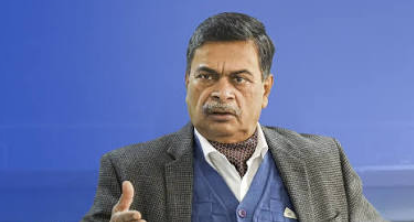
New Delhi: Former Indian minister and retired Indian Administrative Service (IAS) officer RK Singh has criticized the Chief Election Commissioner (CEC) Gyanesh Kumar and the Election Commission of India (ECI) for violating electoral laws during the Special Intensive Revision (SIR) of electoral rolls, describing the exercise as “illegal” and saying that it had led to the exclusion of millions of eligible voters.
According to Kashmir Media Service, in an open letter addressed to the public, Singh argued that the nationwide revision violated Section 21 of the Representation of the People Act, 1950, which, he said, permits special revisions only in specific constituencies or parts of constituencies, with reasons recorded in writing.
“An order for intensive revision for the whole country was illegal. An exception allowed for special cases cannot become the rule,” Singh said, questioning whether the decision to conduct the exercise nationwide had been taken by the full Election Commission or by Kumar alone. He also questioned the use of revised electoral rolls in elections while appeals against the deletion of voters’ names were still pending.

Singh further said that voters’ names had been removed without the legally required inquiry or an opportunity for affected individuals to respond. The former minister raised concerns over changes to Form 6, used for new voter registration, saying that an additional appendix requiring applicants to provide details of their parents’ names in the 2003 electoral rolls had been introduced without proper authorization.
He questioned how young voters could be expected to access electoral rolls dating back to 2003, arguing that the requirement imposed additional barriers to voter registration.
Singh also criticized the use of what the ECI describes as “logical discrepancies” during the revision process. He argued that differences in recorded ages of parents and children could arise because many people, particularly those from economically disadvantaged backgrounds, lacked birth certificates and other official documents.
Singh said the revision process disproportionately affected poor and marginalised communities, including migrant workers who could not easily return to their home constituencies to complete registration process. He further said that objections to voter registrations had been filed in bulk and questioned the procedure through which these objections were accepted and processed.
Singh cited the case of 16 lakh voters in West Bengal whose registrations had reportedly been approved by Electoral Registration Officers but whose names remained excluded from the rolls amid pending appeals. He questioned the grounds on which the appeals were filed and whether the ECI had authorised them.
Singh further claimed that approximately 13 crore names had been deleted from electoral rolls during the SIR process, warning that such large-scale deletions could significantly affect electoral participation.
Calling for legal action against Gyanesh Kumar, Singh urged that criminal cases be registered against the CEC. He argued that seeking Kumar’s removal through impeachment would be ineffective because the Opposition lacked the required numbers in Parliament.
Singh also called on Opposition parties to unite and refuse to participate in elections until the CEC and other election commissioners resigned and a new appointment process was established. He further demanded fresh elections in states where polls had been held while appeals against voter deletions were still pending.
Singh served as Indian minister in the Narendra Modi-led government between 2019 and 2024. Before that, he served as Indian Home Minister from 2011 to 2013 under the Manmohan Singh government. He resigned from the Bharatiya Janata Party (BJP) in November 2025 after being suspended by the party over alleged activities against it.