INDIA bloc marches towards Supreme Court in fresh political showdown
Section 163 restrictions, metro closures intensify tensions in New Delhi
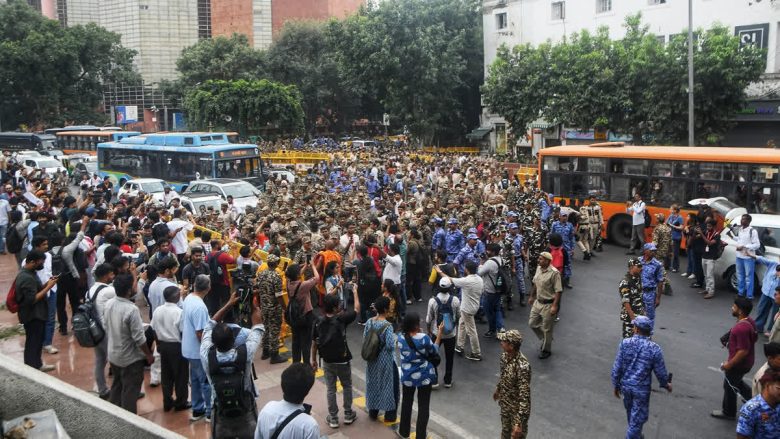
New Delhi: India’s electoral controversy has triggered another political confrontation in New Delhi. Opposition parties are challenging the voter-list revision process, while restrictions have tightened around key areas of the capital. The dispute has raised fresh questions over electoral accountability and the right to peaceful protest.
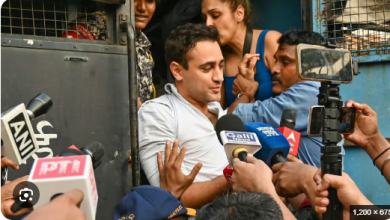
The Congress-led INDIA bloc planned a march towards the Supreme Court on Monday. The opposition seeks action over alleged irregularities in electoral rolls and demands the resignation of Chief Election Commissioner Gyanesh Kumar. The Bharatiya Janata Party (BJP), meanwhile, staged a counter-protest outside the Congress headquarters, according to the cited video report.
Opposition challenges voter-list revision
The opposition has accused the Election Commission of India of irregularities linked to the Special Intensive Revision (SIR) of electoral rolls. It alleges that the process could disenfranchise eligible voters and undermine electoral fairness.
The Election Commission has denied favouring any political party. It says names were removed for reasons including deaths, relocation and inability to trace voters. It has also said people whose names were wrongly deleted can seek re-enrolment.
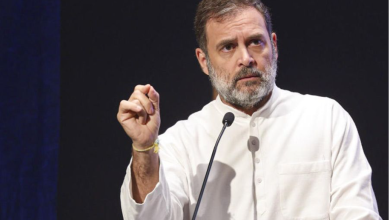
Congress leader Rahul Gandhi called on opposition parties, civil society groups and citizens to join the march. The bloc intended to submit a memorandum to Chief Justice of India Surya Kant, seeking a halt to the revision exercise and accountability over the allegations.
Section 163 restrictions tighten security
Delhi authorities imposed prohibitory restrictions under Section 163 of the Bharatiya Nagarik Suraksha Sanhita (BNSS). Police erected barricades and deployed security personnel around central Delhi ahead of the planned demonstration.
Entry and exit were temporarily closed at six metro stations for security reasons. The closures and traffic diversions disrupted movement in parts of the capital.
The security measures came amid days of demonstrations and detentions linked to the electoral controversy. They have also intensified debate over how authorities should balance public order with citizens’ rights to assemble and protest peacefully.
Supreme Court declines meeting request
Chief Justice Surya Kant declined the opposition leaders’ request for a meeting. Reports said he advised them to pursue the matter through legal proceedings, as related issues were already before the court. He also reiterated that citizens could approach the judiciary through established legal channels.
The Supreme Court had separately addressed concerns over protest-related restrictions. During a hearing on Sunday, it stressed that peaceful protesters should not be illegally detained and directed authorities to ensure normal metro operations and uninterrupted internet services, subject to law.
The continuing confrontation highlights the growing political dispute over electoral rolls and the Election Commission’s role. The controversy now extends beyond party rivalry to questions of public access, peaceful assembly and institutional accountability.