Historic Muslim Places of Worship Face Bulldozing, Eviction Notices and Hindutva Threats
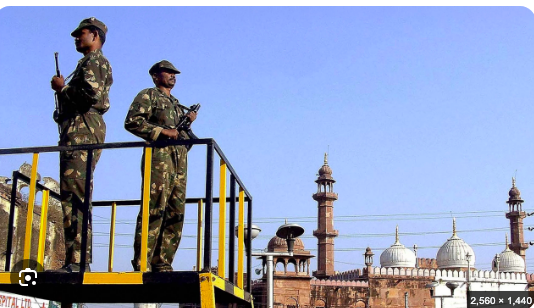 New Delhi: At least seven mosques were fully or partially demolished across India in September 2026, while several others faced eviction notices, legal disputes and threats from Hindutva groups, highlighting growing pressure on Muslim places of worship.
A report by Islamophobia Monitor, titled India’s Mosques Under Attack, documented the complete demolition of two mosques and the partial demolition of five others during the month. Five of the affected mosques were historically significant, with some dating back several centuries.
The report also documented at least eight cases involving administrative notices, fines, construction restrictions and disputes over mosque land. Seven of these cases occurred in BJP-ruled Uttar Pradesh and one in Maharashtra.
Authorities cited alleged unauthorised construction, encroachment and road-widening projects to justify the actions, while Muslim communities challenged the legality and necessity of several demolitions.
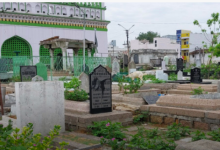

In Madhya Pradesh’s Ujjain city, several historic mosques faced partial demolition to facilitate road expansion ahead of the 2028 Simhastha Kumbh Mela, a major Hindu pilgrimage. The approximately 600-year-old Shahi Masjid was partially demolished on September 28 after Muslims agreed to voluntarily remove a three-foot section. A minaret collapsed during the operation, damaging the mosque’s interior and triggering protests.
Two other mosques, including the century-old Medina Masjid, also lost portions of their structures during September.
In Delhi, municipal authorities demolished part of Madina Masjid on September 23, citing road-widening requirements. Muslim representatives questioned the move, noting that a court hearing concerning the mosque had been delayed.
In Saharanpur, Uttar Pradesh, authorities demolished a roughly 150-year-old mosque on September 5 following a complaint by a former Bajrang Dal official. The mosque committee maintained that the structure stood on legally recognised Muslim endowment property and that historical documents supported its ownership.
In Haryana’s Faridabad district, another mosque under construction was demolished following complaints that local Muslims said had come from individuals associated with Hindutva organisations.
The report further highlighted mounting administrative and legal pressures on other mosques. In Agra, a Muslim trust received an eviction notice and a fine of 300 million Indian rupees concerning a mosque believed to be around 500 years old. Mosques in Sambhal, Meerut, Moradabad and Mumbai also faced land ownership disputes, demands for archaeological investigations or administrative restrictions.
It also documented inflammatory speeches by Hindu extremists, threats to install Hindu idols inside mosques and attacks during religious processions, underscoring concerns over the safety of Muslim religious sites and worshippers.
Islamophobia Monitor cautioned that its findings were based on publicly available reports and did not constitute a comprehensive India-wide count. It called for independent investigations, protection of historic mosques, safeguards against arbitrary demolitions and equal enforcement of laws governing religious properties.
The documented cases add to concerns that Muslim places of worship in Modi’s India are increasingly vulnerable to demolition drives, administrative pressure and communal hostility, raising questions about the protection of religious heritage and the equal treatment of religious minorities.