India expands military preparedness along LAC on excuse of hybrid threats
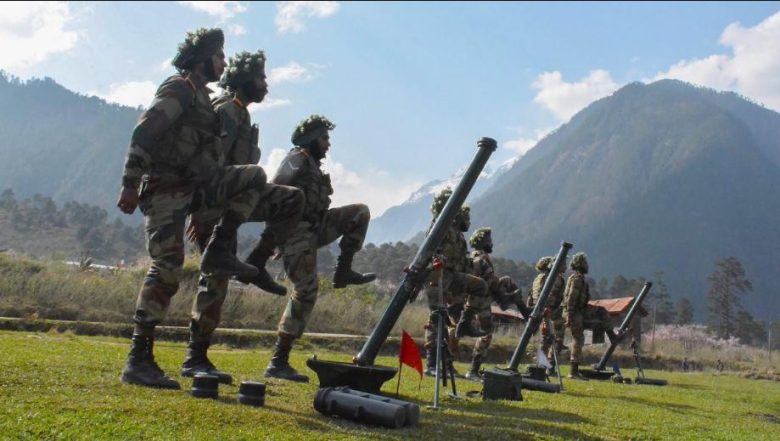
New Delhi: India has further expanded its military preparedness along the disputed Line of Actual Control (LAC) on the excuse of hybrid threats, cyber-attacks, drone incursions and information warfare.
Indian Defence Minister Rajnath Singh, during a visit to Trishakti Corps headquarters in Sukna, West Bengal, emphasized preparedness for emerging forms of warfare. He reviewed infrastructure development, advanced military deployments and operational preparedness along the LAC. Singh stressed the growing importance of cyber warfare, drone operations, surveillance and information warfare. He said modern conflicts increasingly extended beyond conventional battlefields.
Focus on technology


Singh said adversaries were using drones to monitor sensitive military installations. He also cited cyberattacks, proxy warfare and misinformation campaigns as emerging security challenges.
He reviewed the deployment of advanced equipment and integration of new technologies. Senior military commanders briefed him on infrastructure projects and operational capabilities.
The Indian defence minister also highlighted investments in border roads, tunnels and military supply chains. He said the government was strengthening logistics to maintain supplies to troops deployed in forward areas. Singh further referred to India’s growing defence manufacturing sector. He said domestic industries and start-ups were developing drones, anti-drone systems and other military technologies.
Regional security implications
The expansion of military infrastructure and advanced deployments along the LAC reflects India’s continuing focus on strengthening its frontier military posture.
The growing use of drones, surveillance systems and cyber capabilities also highlights the changing nature of military competition in the region. Such developments underscore the need for restraint, transparency and confidence-building measures between neighbouring countries.
The LAC separates Indian- and Chinese-controlled areas in the eastern Himalayan region. Its alignment remains disputed in several sectors, and military tensions have persisted despite diplomatic and military engagements.