‘Tantra in Silence …’ at Gurez fuels concerns over cultural identity in IIOJK
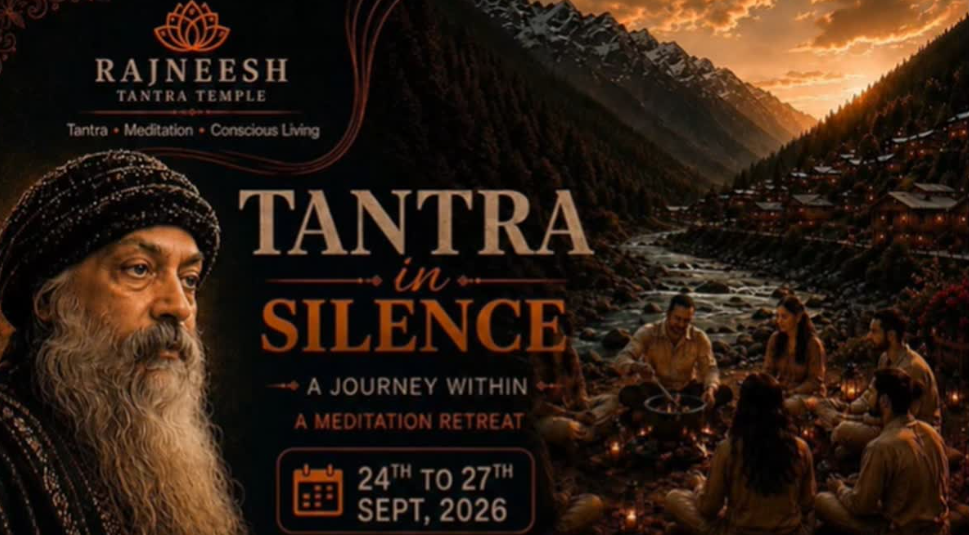
Srinagar : People from different walks of life including Hurriyat leaders, religious scholars and politicians have expressed concern over attempts to introduce programmes and initiatives in Indian illegally occupied Jammu and Kashmir that could undermine the territory’s distinct religious and cultural identity, particularly its longstanding Muslim and Sufi heritage.
According to Kashmir Media Service, the concerns have intensified following the circulation of promotional material for a proposed four-day “Tantra in Silence – A Journey Within” retreat in Gurez Valley from September 24 to 27. The programme, advertised as a meditation retreat, lists Swami Dhyan Sumit as its facilitator and includes meditation, sound healing, conscious living and inner-transformation sessions.
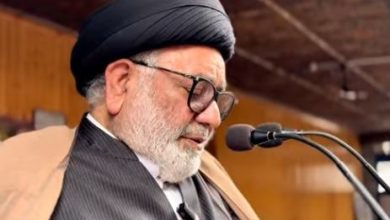
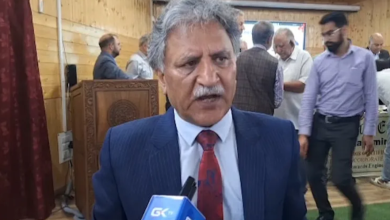
The controversy has drawn objections from senior APHC leader Mirwaiz Umar Farooq and Peoples Democratic Party (PDP) president Mehbooba Mufti.

Mirwaiz has said Gurez is “the land of sufis and saints” and called for immediate intervention by the authorities, stressing that tourism promotion should not come at the expense of the region’s religious, cultural and social ethos.
Political analysts, while distinguishing the specific Gurez controversy from broader cultural-policy questions, said the episode has renewed debate over the protection of Kashmir’s indigenous religious and cultural traditions. They said any tourism, cultural or spiritual initiative in the territory should take into account the historical character and sensitivities of local communities.
They pointed to wider concerns raised by Kashmiri groups over changes to historic names, institutions and places, as well as disputes surrounding religious properties and institutions since August 2019.
Analysts said such developments have contributed to apprehensions among sections of the Kashmiri population about the preservation of their cultural and religious heritage.
They further said Kashmir’s Muslim and Sufi traditions have developed over centuries and remain deeply embedded in the Valley’s social and cultural fabric. Any perceived attempt to marginalise or replace these traditions, they maintained, is likely to generate public concern and resistance.
The analysts said the debate over Gurez should therefore be viewed within the larger question of how cultural and tourism policies are formulated in IIOJK, particularly in areas with distinct historical, religious and social identities.
The analysts maintained that Kashmiris remain deeply attached to their indigenous religious and cultural heritage and are likely to continue voicing concerns whenever they perceive that such heritage is being diluted, commercialised or marginalised.
#IIOJKMuslimHeritageUnderThreat #ProtectKashmirMuslimIdentity