JKDFP urges UN chief to end decades of inaction on Kashmir dispute
Calls for implementation of UN resolutions, renewed diplomatic efforts
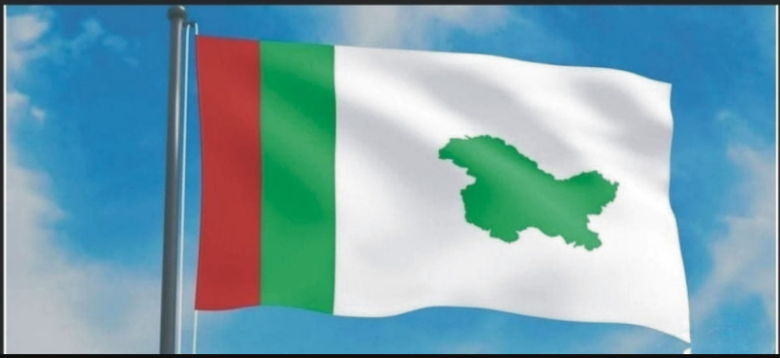
Islamabad: The Jammu and Kashmir Democratic Freedom Party (JKDFP) has urged UN Secretary General António Guterres to end decades of inaction on the Kashmir dispute and intensify efforts to implement relevant UN resolutions and address the political aspirations of the Kashmiri people.
In a letter addressed to the UN Secretary General, Acting Chairman of the JKDFP, Mehmood Ahmad Saghar, said the dispute had remained on the UN agenda for nearly eight decades but continued to remain unresolved.
The party said the Jammu and Kashmir dispute was not a new or merely bilateral issue, noting that it had been formally addressed by the UN Security Council through a number of resolutions, including Resolutions 47 (1948), 51 (1948), 80 (1950) and 91 (1951), among others. It said the resolutions of the United Nations Commission for India and Pakistan (UNCIP) of 13 August 1948 and 5 January 1949 also recognised the principle that the future of Jammu and Kashmir should be determined through the free and impartial will of its people.

“Despite this, the people of Jammu and Kashmir have remained deprived of their fundamental right to self-determination since 1947,” the party said.
It said that over the decades, the conflict had resulted in enormous human suffering, loss of life, displacement, detentions, political restrictions and allegations of serious human rights violations. “Different sources and institutions have cited different figures regarding deaths since 1989; nevertheless, there can be no denying the enormous human cost and continuing instability caused by the unresolved dispute,” it added.
The JKDFP also expressed concern over various legal, administrative, land and domicile-related measures introduced in Indian illegally occupied Jammu and Kashmir, particularly since August 2019, saying these measures had generated serious concerns regarding possible changes to the demographic and political character of the disputed territory.
Mehmood Ahmed Saghar said the situation was particularly alarming because Jammu and Kashmir lies in a region where three nuclear-armed states—China, India and Pakistan—are located in close proximity.
“India and Pakistan have fought several wars and military conflicts over Jammu and Kashmir, while tensions between the two countries continue to pose a serious threat to regional and international peace and security,” the letter said, adding that any future military escalation in such a sensitive environment could have consequences far beyond the region.
The JKDFP said the credibility of the United Nations and the principles enshrined in its Charter required that the Kashmir dispute should not be addressed only during periods of military escalation or heightened tension. Rather, it called for sustained and meaningful efforts to address its underlying political dimensions.
The party urged the UN Secretary General to undertake meaningful and practical efforts towards the implementation of relevant UN Security Council resolutions on Jammu and Kashmir.
It also called on him to give serious consideration to unilateral measures that may affect the demographic, political or territorial character of the disputed region; ensure that relevant UN mechanisms, including the United Nations Military Observer Group in India and Pakistan (UNMOGIP) and appropriate human rights mechanisms, are able to effectively monitor and report on the situation in occupied Jammu and Kashmir; and utilise his good offices and diplomatic efforts to encourage India and Pakistan to pursue a meaningful and sustained process aimed at resolving the dispute.
The JKDFP Acting Chairman further urged the UN chief to treat the right of the people of Jammu and Kashmir to self-determination, as recognised in the relevant UN framework, “not merely as a historical commitment but as an unresolved international issue requiring renewed attention.”
The party emphasised that the Jammu and Kashmir dispute was not merely a matter of history but remained directly connected with peace, human rights and international security in South Asia.
“The continuing presence of UNMOGIP and the repeated attention of the United Nations to tensions between India and Pakistan demonstrate the continuing relevance of the issue,” it said.
The JKDFP said that after nearly eight decades, it was imperative that the United Nations move beyond expressions of concern and intensify its efforts, within the framework of the UN Charter and relevant Security Council resolutions, to facilitate a peaceful and durable resolution of the Jammu and Kashmir dispute and uphold the rights and aspirations of its people.
The party expressed hope that Secretary General António Guterres would give the appeal serious consideration and use the good offices and diplomatic means available to his office to bring the Jammu and Kashmir dispute back into meaningful focus within the United Nations system.