Speakers at New York event call for UN-backed settlement Kashmir dispute
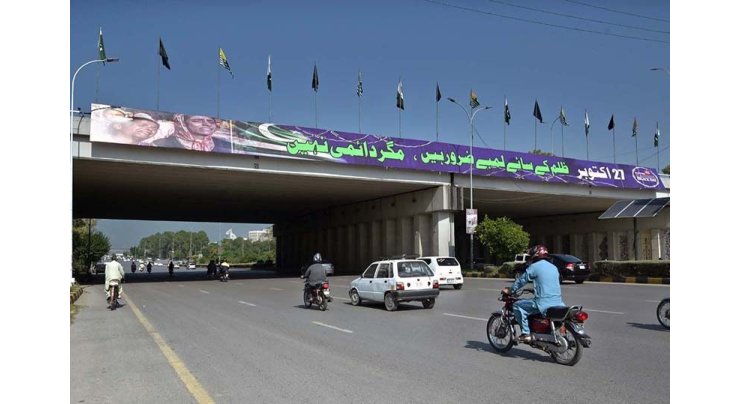
New York: Speakers at a Kashmir Black Day event in New York emphasized that regional peace in South Asia depends on resolving Jammu and Kashmir dispute as per UN resolutions that grant Kashmiri people right to self-determination.
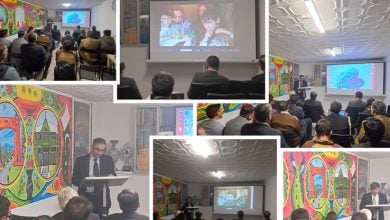
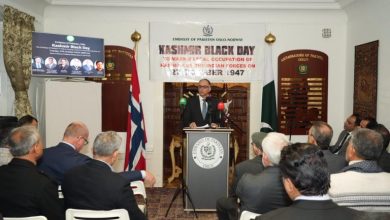
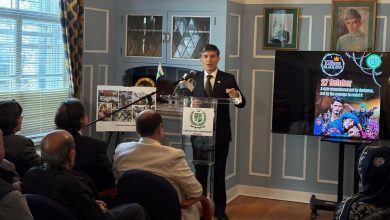
According to Kashmir Media Service, the event was jointly organized by Permanent Mission of Pakistan to UN and Consulate General of Pakistan in New York under theme ‘Jammu & Kashmir: 79 Years of Occupation, Resistance and Resilience’ to mark October 27 when India forcibly took control of Jammu and Kashmir in 1947.
It brought together Kashmiri leaders, human rights advocates, diplomats, students and members of Pakistani and Kashmiri diaspora. Speakers paid tribute to Kashmiris enduring decades of repression, honouring their fight for dignity and freedom.
The speakers included Ambassador Usman Jadoon, Acting Permanent Representative of Pakistan to UN, Consul General Aamer Ahmed Atozai, Secretary General of Kashmir Awareness Forum Dr Ghulam Nabi Fai, PML-N AJK President Shah Ghulam Qadir, Human Rights Commissioner of Nassau County Azra Dar, former Principal Secretary to AJK Government Farooq Tabassum, and senior Kashmiri leader Muhammad Taj Khan.
In his remarks, Ambassador Jadoon reaffirmed Pakistan’s unwavering political, diplomatic and moral support for Kashmiri people. He recalled that October 27, 1947 marked tragic turning point in Jammu and Kashmir’s history. Expressing concern over deterioration of human rights situation since August 5, 2019, he cited reports of arbitrary detentions, excessive use of force, enforced disappearances and restrictions on fundamental freedoms.
Ambassador Jadoon called for protection of human rights, release of those arbitrarily detained and unhindered access for international human rights mechanisms. He urged international community to pursue accountability and peaceful settlement in accordance with relevant UN resolutions.
Pakistan’s Consul General Aamer Ahmed Atozai underscored importance of sustained community engagement in advancing Kashmir cause. He urged Pakistani and Kashmiri diaspora members to engage US elected representatives, media and human rights organizations, and to educate younger generations about Kashmir’s history and people’s struggle.
Other speakers echoed call for just resolution grounded in international law and UN Security Council resolutions, including realization of Kashmiri people’s right to determine their future through free and impartial plebiscite.
Dr Fai called for renewed scrutiny of historical circumstances surrounding Instrument of Accession and urged US President Donald Trump to support efforts toward just and peaceful settlement consistent with UN resolutions and aspirations of Kashmiri people.
Shah Ghulam Qadir highlighted India’s failure to honour its commitments and thanked Pakistan’s successive governments and people for steadfast support.
Azra Dar stressed resilience of Kashmiri people and need to sustain international attention to their rights. Farooq Tabassum underscored regional consequences of unresolved dispute and urged international community not to allow it to fade from view.
Taj Khan lauded Pakistan’s diplomatic efforts to avert wider conflict in Middle East, and emphasized need for unity among Kashmiris, and expressed gratitude for Islamabad’s continued advocacy of their rights.