2,800 arrests after 2025 Pahalgam incident punctures Modi regime’s Kashmir narrative
Siam dam project in Arunachal threatens to submerge 27 villages, affect 50 others
New Delhi: Indian Home Minister Amit Shah’s claims at the President’s Police Colour ceremony in Banderdewa ring hollow against the ground realities the Modi government has overseen since 2014.
According to Kashmir Media Service, Shah hailed the 2019 abrogation of Article 370 for suppressing freedom movement and boasted that no Kashmiri youth remains involved in militancy after 35 years, with only foreign nationals left.
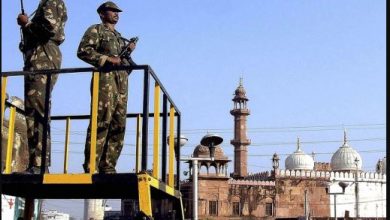
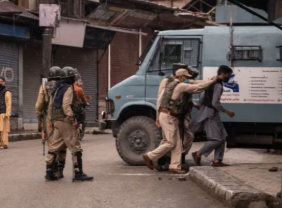
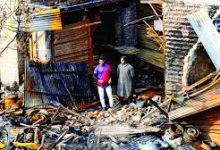
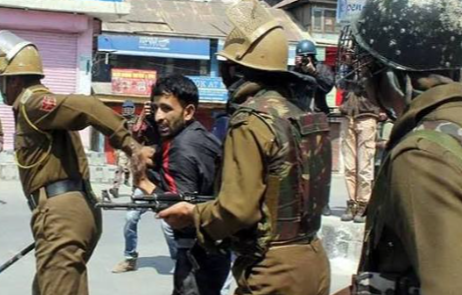
Yet international reports from UN experts, Freedom House and Amnesty document persistent human rights violations, including roughly 2,800 arrests after the 2025 Pahalgam attack that killed 26 civilians, arbitrary detentions under PSA and UAPA, torture, and collective punishment through home demolitions.

Freedom House notes tighter curbs on civil liberties, mass arrests, blocked social media accounts of news outlets, a ban on 25 books, and limits on VPNs, while occupied Jammu and Kashmir accounts for nearly half of India’s internet shutdowns since 2012.
AFSPA continues to provide near-total impunity for Indian forces, religious processions face restrictions, and independent media and human rights defenders report ongoing intimidation and surveillance.
Development rhetoric fares no better amid 9.4 per cent overall unemployment and 26.2 per cent youth joblessness.
In Arunachal Pradesh, Shah promoted the Siang Upper Multipurpose Project as a source of energy, revenue and jobs.
On the ground, the proposed 11,200 MW dam threatens to submerge 27 villages, affect over 50 more and displace up to 1.5 lakh Adi people.
Protests in Siang, Upper Siang and Pasighat have met with arrests, CAPF deployment and violence, revealing the familiar pattern of top-down projects imposed with token promises of dialogue.