Indian Army Agniveer dies during climbing training in Maharashtra
IB officer shot by own driver in Uttarakhand
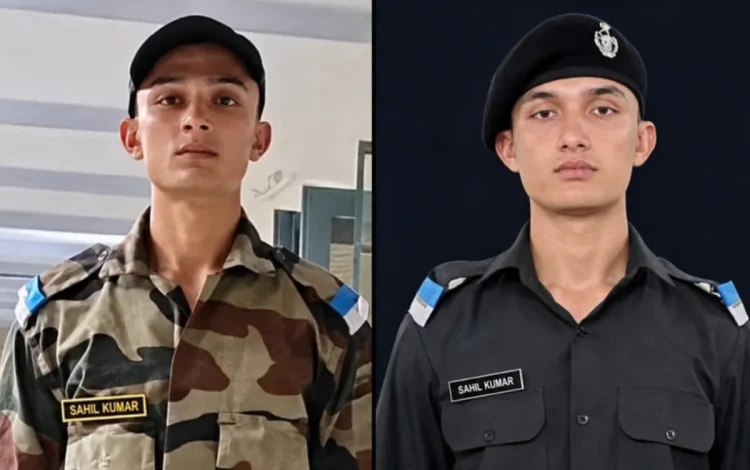 Mumbai: An Indian Army Agniveer died after falling during rope-climbing training in BJP-ruled Maharashtra, while an Intelligence Bureau (IB) Superintendent of Police was shot and critically injured by his own driver in a separate incident, raising concerns over safety, discipline and internal tensions within Indian security establishments.
Indian Army Agniveer Sahil Kumar, a resident of Chhattar Sai village in the Sundernagar subdivision, lost his grip on a rope while undergoing climbing training in Maharashtra. He reportedly fell from a height of approximately 20 feet after his hands became sweaty.
He sustained critical injuries in the fall and was rushed to a hospital, where he battled for his life for two days before succumbing to his injuries on Wednesday.
Driver shoots IB SP

In another incident, Intelligence Bureau SP C.P. Nautiyal was shot by his own driver, identified as Vinod Negi, in Uttarakhand.
According to reports, Nautiyal sustained serious gunshot injuries and was admitted to hospital, where his condition remains critical.
No definitive motive behind the shooting has emerged so far. However, reports suggest that the driver was upset with the SP.
Haridwar SSP Navneet Singh confirmed that the firing was carried out by the officer’s driver, leaving him injured.
The accused has been arrested, and the country-made pistol used in the crime has been recovered.
These incidents have drawn attention to growing concerns over internal tensions, disciplinary challenges, workplace grievances and personnel welfare within India’s military and security establishments.
The death of an Agniveer during training and the shooting of a senior intelligence officer by his own driver, although separate incidents with different circumstances, underscore the need for serious examination of training safety, command relationships and grievance-redressal mechanisms.
Such incidents also come amid continued Indian military operations in Indian illegally occupied Jammu and Kashmir (IIOJK) and other conflict- and violence-affected states under Indian rule, where coercive actions against the wishes of the people have further undermined peace, intensified public resentment and deepened alienation.