Modi’s friend Ambani’s Reliance emerges as top beneficiary of Russian oil
New Delhi: While India continues to project itself as a responsible global power, its actions on the ground suggest a different reality, one marked by profiteering and duplicity.
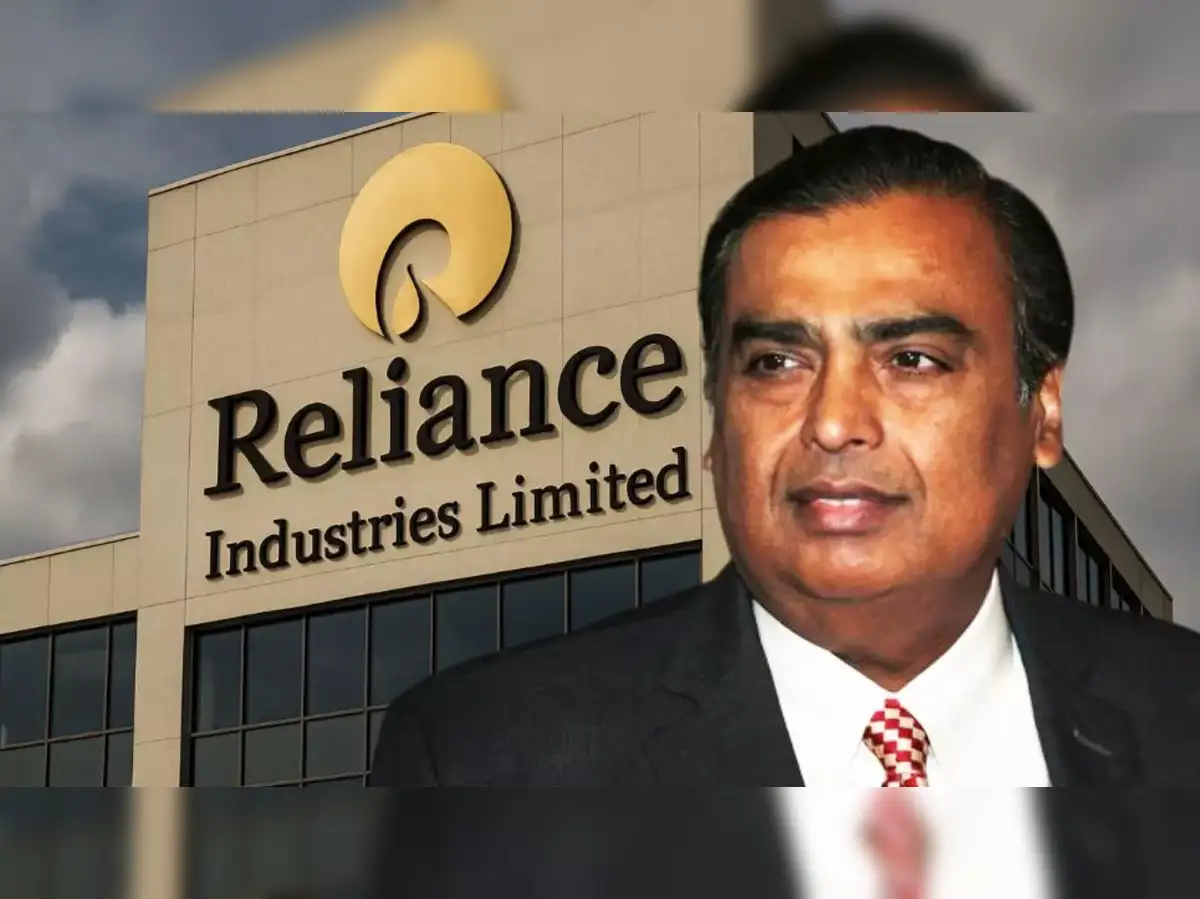
According to Kashmir Media Service, nowhere is India’s profiteering and duplicity clearer than in its dealings with sanctioned Russian crude, where Indian Prime Minister Narendra Modi’s close associate Mukesh Ambani’s Reliance Industries has emerged as the single biggest beneficiary, a report says.
Billionaire industrialist, Mukesh Ambani is facing increasing scrutiny over his company’s leading role in importing discounted Russian crude oil despite sweeping Western sanctions on Moscow.

The report citing a ship tracking data and official sources said India’s Russian oil purchases, averaging 1.5 million barrels per day, have been cornered primarily by two private players: Reliance Industries and Rosneft-controlled Nayara Energy.
Instead of strengthening India’s state-run refiners or lowering domestic energy costs, the report states that this arrangement has turned into a windfall for a handful of oligarchs.
Every second barrel of crude imported into India now comes from Russia. By June 2025, Russian oil’s share in India’s market hit a record 45%, with Reliance and Nayara together dominating the downstream trade, accounting for 81% of India’s fuel exports. At 914,000 barrels per day, Reliance alone makes up 71% of India’s total exports, with its Jamnagar refinery exporting 67% of production—not to meet India’s needs, but to chase profits in Europe and Asia.
In a remarkable twist, as the West imposes sanctions on Russia, Indian private refiners act as intermediaries, rebranding cheap Russian crude into high-priced fuel for Western markets. This practice not only allows Moscow to sustain oil revenues despite sanctions but also enables corporate elites in India to profit enormously, all while the average Indian consumer sees little to no benefit.
Critics argue this reflects a deeper systemic issue within India’s political economy. The government’s support for private players like Reliance and Nayara—while sidelining public-sector refiners—has effectively created what some are calling a state-sponsored oligarchic racket.
“For Mukesh Ambani, it is billions in profit,” the report states. For India, it is reputational damage and growing dependence on Russian crude.”
Although India continues to claim neutrality in the Russia-Ukraine conflict, its role in bypassing sanctions through corporate channels paints a different picture. Observers argue that New Delhi has exploited loopholes in global sanctions to enrich a select group of business elites, undermining both international norms and the interests of its own citizens.
At the center of this controversy is Reliance Industries, increasingly seen as the face of India’s duplicity on the global stage, buoyed by Modi’s patronage and insulated from domestic accountability.