Delhi police twisted peaceful CAA discussions into conspiracy narrative: jailed scholar Umar Khalid
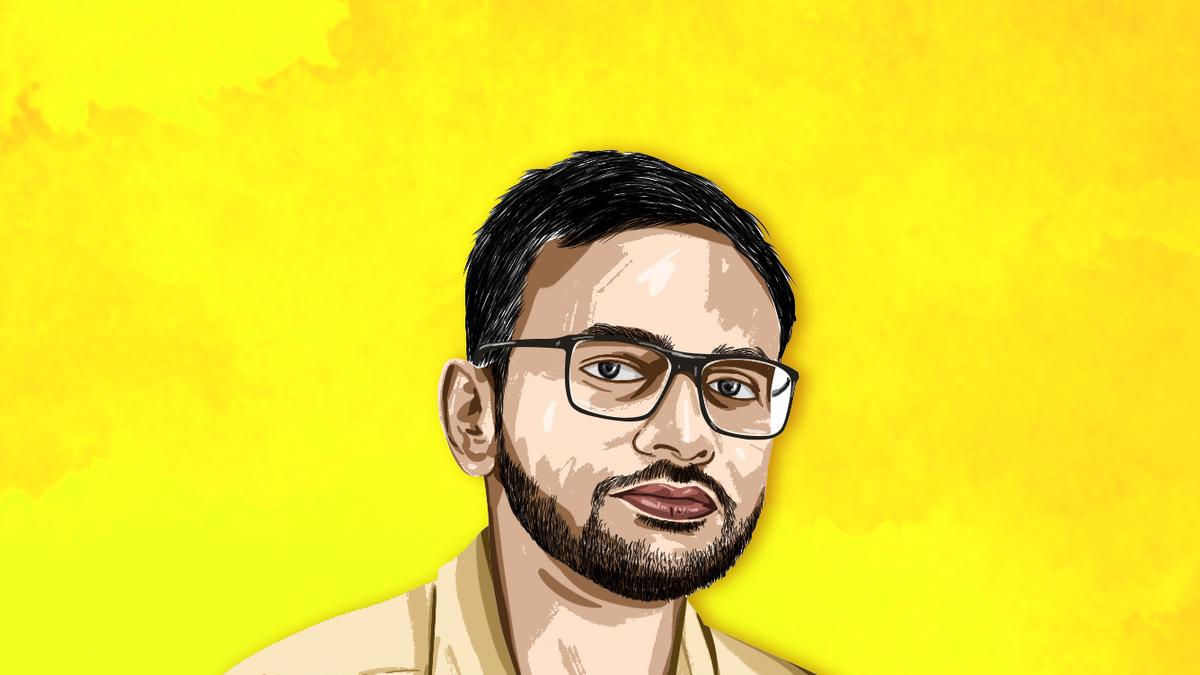 New Delhi: Prominent student activist and former Jawaharlal Nehru University researcher Umar Khalid has maintained that the Delhi Police’s allegation of his involvement in “secret conspiratorial meetings” linked to the 2020 Northeast Delhi riots was “false.”
According to Kashmir Media Service, the student leader, who has been in judicial custody under the draconian Unlawful Activities Prevention Act (UAPA) for over five years now, made these submissions before Additional Sessions Judge Sameer Bajpai, who is presently hearing arguments on the framing of charges in the larger conspiracy case.
He asserted that the police misrepresented open and peaceful meetings in protest against the Citizenship Amendment Act (CAA) as secret conspiratorial gatherings.
Umar Khalid’s assertion came a day after the Indian Supreme Court questioned Delhi Police for failing to file a response to the bail pleas of Khalid, Sharjeel Imam, Gulfisha Fatima and other Indian Muslim scholars despite repeated chances given to them, media reports said.
Senior Advocate Trideep Pais, appearing for Khalid, argued that the prosecution’s narrative of “secret meetings” did not stand scrutiny when compared with the evidence on record. “One of the protected witnesses, Sierra, told police that secret meetings were held between January 21 and 23, 2020. But pictures from the meeting were uploaded on the Facebook profile of one of the attendees. How is that secret?” Pais contended, according to the Law Beat portal.
He pointed out that the photographs clearly showed Umar Khalid and girl student Gulfisha Fatima participating in the discussions, which were attended by several activists and students. “These meetings were held to openly discuss peaceful protests against the CAA. There was neither criminality nor any incitement in those discussions,” Pais submitted.
He further questioned the Delhi Police’s description of Khalid as a “silent whisper” behind the violence, saying the label was contradicted by video evidence of the student leader’s public speeches. “He was speaking openly, addressing crowds, denouncing violence. How can a person described as a ‘silent whisper’ be doing that in front of witnesses?” he asked.
Pais concluded that Khalid’s continued incarceration was based on a “misreading of facts and motives”, asserting that his client’s role was confined to lawful, democratic protest.