Seven years without trial exposes judicial apathy, executive collusion in IIOJK
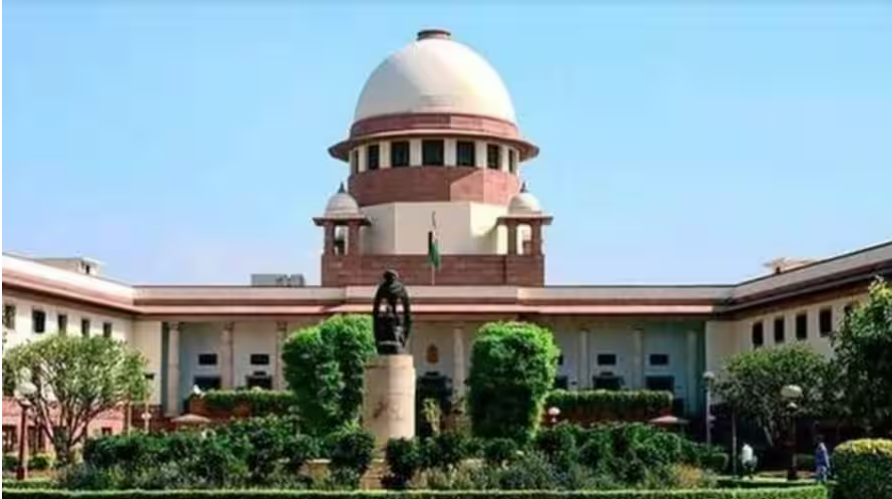
New Delhi: In a damning indictment of the judicial and executive machinery in Indian illegally occupied Jammu and Kashmir, the Supreme Court of India has expressed serious displeasure over an undertrial prisoner languishing in jail for seven years without conclusion of his trial.
According to Kashmir Media Service, the apex court observed that Anoop Singh, arrested in 2018 on murder charges, has remained behind bars for seven years while the prosecution has examined only four out of 19 witnesses. The bench questioned the IIOJK government and the concerned trial court over the inordinate delay, warning that the government and prosecuting agency would be “taken to task” if they failed to provide satisfactory justification.
Legal observers say the case epitomizes how the judiciary and executive in IIOJK function in tandem to punish individuals through prolonged incarceration rather than due process, reducing the concept of a “speedy trial” to a hollow slogan. It seems authorities allowed the case to stagnate, effectively converting undertrial detention into a de facto sentence.


The Supreme Court itself noted that the prosecution case rests entirely on circumstantial evidence, yet the accused continues to be denied regular bail.
Rights advocates argue that such prolonged detention without trial violates even India’s own constitutional guarantees and exposes the discriminatory application of law in occupied Kashmir, where courts routinely endorse executive excesses through delay, silence or procedural excuses.
Kashmiri legal experts say the case is not an exception but a pattern, with hundreds of undertrials—mostly Kashmiris—languishing in jails for years under fabricated or weak cases, while trials are deliberately stalled. They argue that denial of timely justice has become a tool of collective punishment, reinforcing fear and submission under occupation.