JNU scholar Sharjeel Imam completes six years in jail over anti-CAA protests
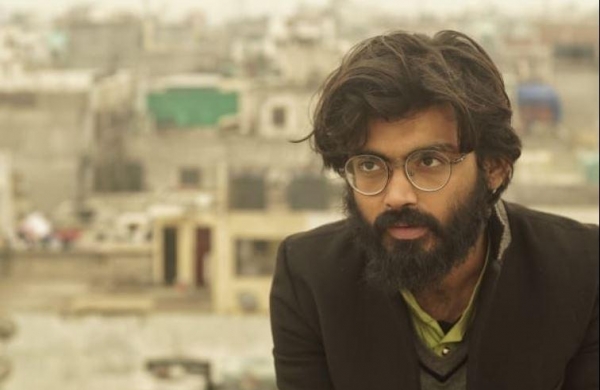 Delhi: Sharjeel Imam, a prominent Jawaharlal Nehru University research scholar and a key figure of the anti-Citizenship Amendment Act (CAA) movement, today marks six years in prison. Imam was arrested on January 28, 2020 under draconian laws, including sedition and the Unlawful Activities (Prevention) Act (UAPA).
According to Kashmir Media Service, Imam, now 36, was arrested after an intense online hate campaign and multiple FIRs filed by police in five Indian states for speeches he delivered during the country-wide protests against the CAA and the proposed National Register of Citizens (NRC). Both the CAA and NRC were widely criticised as discriminatory and communally biased measures that disproportionately target Muslims and risk rendering many people stateless or reducing them to second-class citizenship.
During the historic anti-CAA movement, Imam had called for peaceful protests, which were subsequently cited as the basis for the charges against him. FIRs were registered in Delhi, Uttar Pradesh, Assam, Manipur and Arunachal Pradesh, accusing Imam of making “secessionist” and “inflammatory” speeches. He was later implicated in the Jamia protest case and the Delhi violence conspiracy case under UAPA. The police alleged that his speeches contributed to tensions leading up to the February 2020 northeast Delhi anti-Muslim riots. However, no violence took place during or immediately after his speech of January 16, 2020, the speech that forms the core basis of the conspiracy case against him.
An exceptional academic, Imam hails from Jehanabad in Bihar, is an IIT Bombay graduate, a software engineer, and a prolific writer. He holds a Master’s degree in Modern History and Philosophy from JNU, received the Maulana Azad National Fellowship, and was eligible for an assistant professorship. Before his arrest, he had never had any encounter with the criminal justice system.
A total of eight FIRs were registered against him. He has received bail in seven of them, including UAPA and sedition cases, with courts in multiple orders noting that he did not call for violence. However, he remains in jail only in the Delhi riots conspiracy case under UAPA, in which his bail was rejected despite the absence of any direct evidence linking his speech to the violence. He was arrested in this case six months after the FIR was filed.