Geneva seminar urges access for Special Rapporteurs to Kashmir, Manipur
Speakers highlight systematic persecution of minorities in India
Geneva: Speakers at a seminar held on the sidelines of the 61st session of the United Nations Human Rights Council (UNHRC) in Geneva have called for immediate access for UN Special Rapporteurs to Indian illegally occupied Jammu and Kashmir, Delhi riot-affected areas and Manipur, citing serious human and religious rights violations.
According to Kashmir Media Service, the seminar titled “Religious Persecution in India” was organized by the World Muslim Congress (WMC) in collaboration with the Kashmir Institute of International Relations (KIIR). The event brought together human rights defenders, legal experts and scholars who highlighted what they described as a growing pattern of systematic persecution of religious minorities in India.
The speakers said the increasing incidents of communal violence across India demonstrate a disturbing pattern rather than isolated occurrences. They pointed to several alarming developments, including the burning of around 200 churches in Manipur in the presence of Indian forces and the demolition of a Muslim family’s shop in Haryana amid cheers from onlookers, describing such acts as blatant discrimination and intimidation.
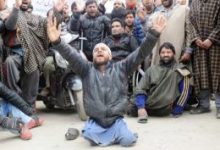

The participants also highlighted what they termed a widening gap between India’s constitutional promise of secularism and the ground reality marked by mob violence, demolitions and discriminatory laws.
Discussing the legislative framework, the speakers criticized the Citizenship Amendment Act (CAA), saying it introduced religion as a criterion for citizenship for the first time since India’s independence while excluding Muslims. They warned that the proposed National Register of Citizens (NRC) could render millions stateless, characterizing the mechanism as “demographic engineering” rather than immigration policy.
They further pointed to so-called anti-conversion laws in several Indian states, which they said criminalize interfaith marriages and disproportionately target Muslim men under accusations of “love jihad”. The speakers also noted that churches in states such as Uttar Pradesh and Karnataka have been repeatedly raided.
Citing reports documenting more than one hundred deaths linked to cow vigilantism since 2015, the speakers said the lack of convictions demonstrates a pattern in which victims are criminalized while perpetrators enjoy political protection.
Special focus was given to the situation in Indian illegally occupied Jammu and Kashmir, where the speakers said the unilateral revocation of Article 370 in August 2019 was followed by the longest internet shutdown ever imposed in a democracy. They also referred to restrictions on Friday prayers, detention of religious leaders and changes in domicile laws, describing these measures as part of a systematic attempt to alter the demographic composition of the Muslim-majority territory.
The speakers also highlighted what they termed intersectional persecution affecting Christian communities in Manipur, Sikh communities facing surveillance in Punjab and Dalit communities facing restrictions on temple entry.
They called on the international community to recognize patterns of religious persecution and ensure protection for religious sites under threat, including the Gyanvapi Mosque, Jamia Masjid in Srinagar and churches in Manipur.
The event was moderated by Altaf Hussain Wani, Chairman of the Kashmir Institute of International Relations and Permanent Representative of the World Muslim Congress to Geneva.
The panelists included Professor Alfred de Zayas, former UN Independent Expert on the Promotion of an Equitable International Order; Robert Fintina, writer and human rights defender from Canada; Ms. Saba Ghulam Nabi, Research Associate at the Centre for International Strategic Studies (CISS-AJK); Mrs. Shamim Shawl, representative of the International Muslim Women’s Union and APHC; and Ms. Marry Scully, a human rights defender from the United States.
The speakers urged the United Nations and the international community to move beyond statements and take concrete steps to ensure accountability and protection of religious freedoms and fundamental rights.