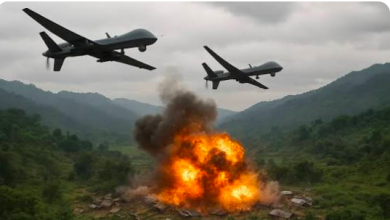
Border fencing clash: Three Assam Rifles personnel killed on Myanmar-India border
Deadly attack highlights growing NSCN strength
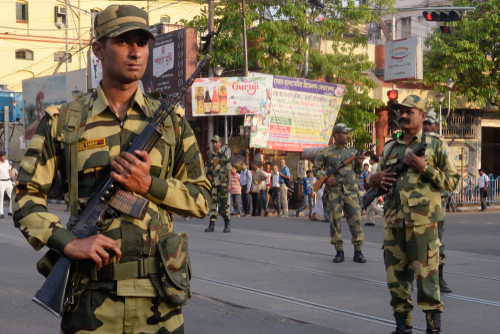
Arunachal Pradesh: Three Assam Rifles personnel were killed when they came under attack while providing security for fencing operations along the Myanmar-India border.
According to Kashmir Media Service, the attack along Namgoi-Pangsau road near the Indo-Myanmar border occurred on March 26 around 5:30 pm and was reportedly carried out by the Naga armed group, National Socialist Council of Nagaland (NSCN). Locals said the fencing project, imposed by India along the border, was strongly opposed by the local population. The attack took place while Assam Rifles personnel were overseeing the security for the fencing work, resulting in three fatalities.
The fencing operation in the Pangsau area was initiated by India at the end of last year and has faced widespread protests from local residents and Naga civil society organizations. The area under construction lies in Myanmar’s Sagaing region, Khanti district, Nanyun sub-division, adjacent to the Indian state of Arunachal Pradesh.


The pro-independence NSCN has previously targeted Indian forces multiple times. Locals assert that the border fencing aims to erase Naga identity. The Indian Army, under the draconian Armed Forces Special Powers Act (AFSPA), is employing indiscriminate force to suppress local sentiments, resulting in extrajudicial killings and illegal arrests. Since 2000, over 800 people have been killed by Indian forces in Nagaland. NSCN has repeatedly carried out retaliatory attacks in response.
Earlier this year, on January 26, India’s Republic Day, NSCN conducted a major attack on an Assam Rifles camp, killing at least six personnel and injuring several others. The increasing number of attacks along the India-Myanmar border highlights NSCN’s growing strength and operational capability. Political observers say the incidents show that NSCN has become a highly active and dangerous pro-independence group, posing serious challenges and concerns for India and its forces.
The National Socialist Council of Nagaland has been striving for independence from India and the establishment of “Nagalim” for nearly 70 years. While the majority of Naga tribal populations reside in Nagaland, significant communities are also found in Assam, Manipur, and Arunachal Pradesh.