Drug menace surges in IIOJK as reports link proliferation to Indian forces’ patronage
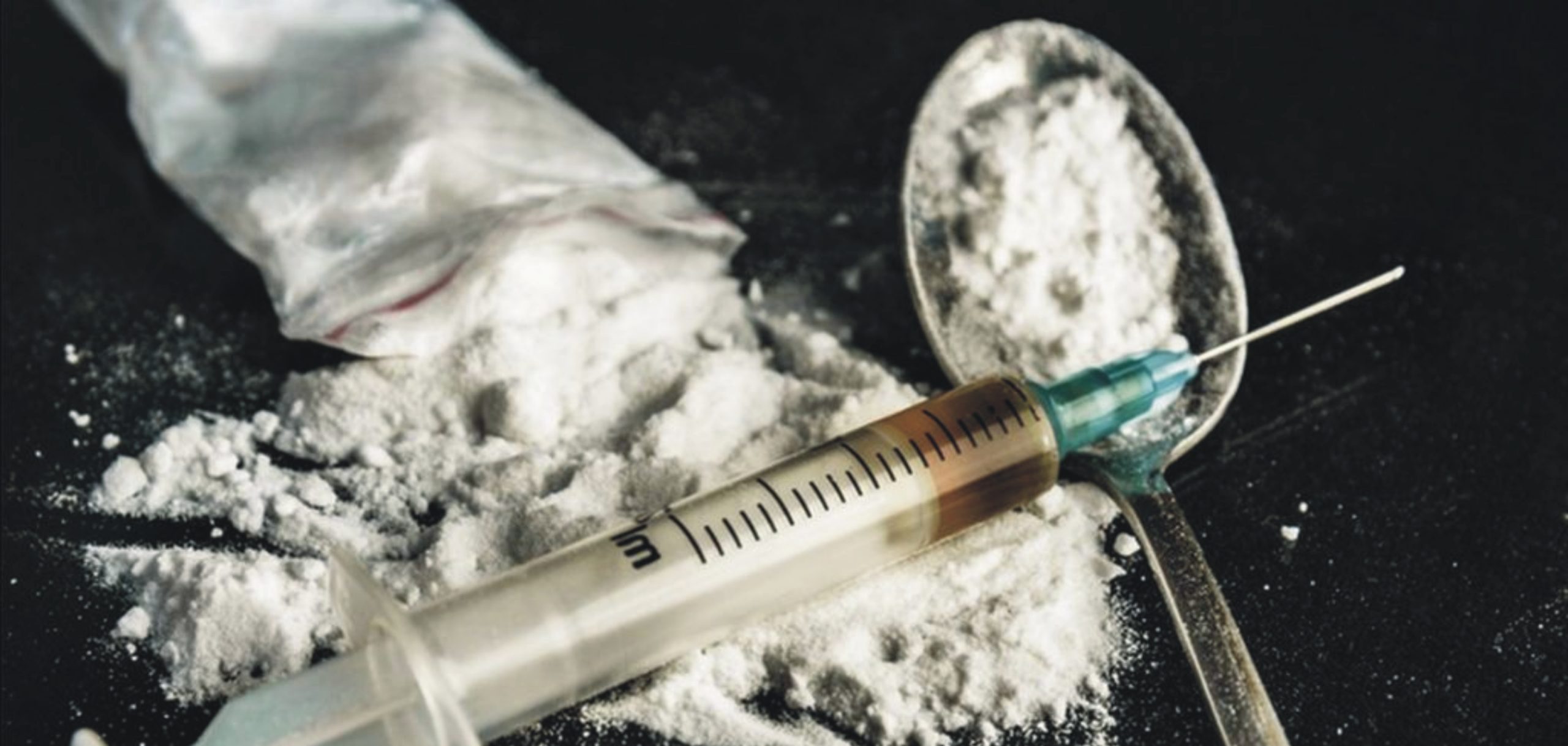
Srinagar: In Indian illegally occupied Jammu and Kashmir, a rapidly escalating drug crisis has raised serious concerns, with reports indicating that over 1.35 million people across the territory are affected by substance dependence, most of them young people.
According to Kashmir Media Service, the number of drug addicts in the territory has nearly doubled in recent years—from around 600,000 in 2022 to more than 1.35 million at present—signaling a grave public health and social emergency. Heroin has emerged as the most widely abused drug, accounting for nearly 90 to 95 percent of dependency cases in the Kashmir Valley.
Health experts warn that a large number of addicts now resort to injecting drugs, exposing them to deadly blood-borne diseases such as Hepatitis C and HIV due to the sharing of contaminated syringes. Official data also indicates the spread of other substances including cannabis, sedatives, alcohol, and synthetic drugs.


The scale of the crisis is reflected in crime statistics as well. Data from the National Crime Records Bureau shows a steady rise in cases registered under the Narcotic Drugs and Psychotropic Substances Act, with hundreds of cases recorded annually. Since 2022, authorities have registered more than 32,000 drug-related cases across the occupied territory.
Observers and analysts say the alarming rise in drug abuse cannot be seen in isolation. Several Kashmiri political leaders, civil society groups, and analysts have repeatedly said that the proliferation of narcotics in the territory is being facilitated by Indian forces as part of a deliberate strategy to weaken the social fabric of Kashmiri society, particularly targeting the youth.
They point out that the growing drug menace coincides with increased militarization and political repression in the territory since August 2019. Critics argue that narcotics are being used as a tool to divert Kashmiri youth from the ongoing struggle for self-determination and push them into addiction and social decay.
The problem is particularly severe in districts such as Srinagar, Islamabad, Pulwama, and Baramulla, where heroin trafficking and drug seizures have become frequent. Reports also suggest the involvement of organized networks operating under the cover of the prevailing security environment.