Kargil Democratic Alliance reiterates call for statehood and fundamental rights
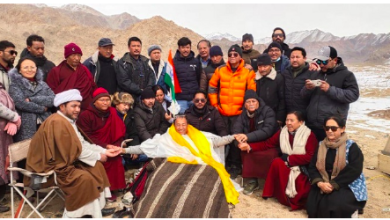
Kargil: In Indian illegally occupied Ladakh, the Kargil Democratic Alliance has called for the immediate resumption of dialogue with New Delhi, reiterating that it remains open to any fresh proposal except council-based arrangements.
According to Kashmir Media Service, KDA leaders, including co-chairman Asgar Ali Karbalai, along with representatives of the Leh Apex Body, said their core demands of statehood and constitutional safeguards under the Sixth Schedule are non-negotiable and reflect the aspirations of the people of Ladakh. They stressed that despite continuous engagement with India’s Ministry of Home Affairs India since 2021, there has been no meaningful progress.
The leaders expressed concern over delays in convening further talks, noting that assurances by the authorities to hold follow-up meetings within weeks have not been fulfilled. They warned that the lack of seriousness on the part of New Delhi is forcing people to resort to protests, despite their preference for dialogue.
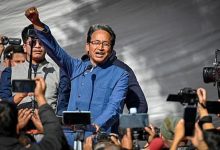

KDA representatives rejected any council-based framework, stating that such proposals do not address the political and constitutional concerns of the region. They maintained that Ladakh continues to lack democratic representation and constitutional protections even years after its illegal separation from Jammu and Kashmir in 2019.
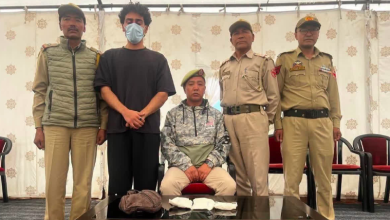
Member of Parliament Mohmad Haneefa Jan emphasized that sustained and result-oriented dialogue is essential to resolve the issue, while leader Sajjad Kargili highlighted the absence of meaningful democratic rights and safeguards in the region. The leaders also demanded the release of detained youth and withdrawal of cases related to past protests as confidence-building measures. They cautioned that continued delays could trigger further public agitation, asserting that while dialogue remains their preferred path, they will not step back from their demands.
The growing discontent in Ladakh reflects broader concerns over political disenfranchisement and lack of constitutional guarantees in the region following its conversion into a Union Territory, raising questions about governance and representation under the current dispensation.