Nepal PM seeks UK, China role against India’s interference in its areas
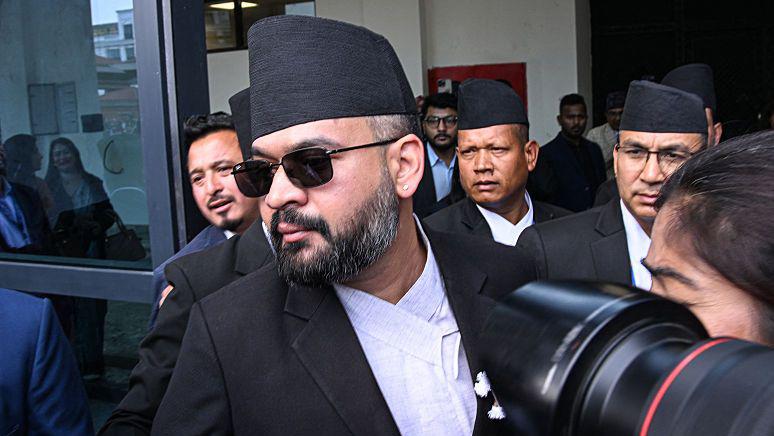
Kathmandu: Nepalese Prime Minister Balendra Shah’s call for Britain and China to intervene in the Kalapani-Lipulekh-Limpiyadhura dispute exposes growing resentment, as observers noticed, against India’s habit of dictating terms to its smaller neighbors.
According to Kashmir Media Service, addressing Nepal’s Parliament, Shah admitted both Kathmandu and New Delhi had “encroached” on each other’s territory and urged third-party mediation. “We have had talks with Britain, not only with India and China. Britain should also show concern,” he said, linking the row to the 1816 Sugauli Treaty signed under British India.
India’s Ministry of External Affairs has not responded to Shah’s remarks or to Nepal’s invitation to London. The dispute flared in 2020 after New Delhi inaugurated a road through Lipulekh Pass for the Kailash Mansarovar yatra, prompting Nepal to release a revised map incorporating Kalapani, Lipulekh and Limpiyadhura and later enshrine it in its constitution.

Analysts said the episode reflects a pattern: India routinely intervenes in the internal and foreign policy matters of Nepal, Bangladesh, Sri Lanka and Maldives under the garb of “regional stability”, while rejecting multilateral mechanisms when its own actions are questioned.
Nepal’s Foreign Ministry clarified Shah’s “encroachment” remark referred to cross-border farming and settlement by citizens of both countries, yet New Delhi has consistently dismissed Kathmandu’s cartographic and diplomatic efforts. The Kalapani row stems from conflicting interpretations of the Kali river’s origin under the Sugauli Treaty.
Early British maps from 1827 and 1856 showed Kalapani as Nepalese territory, but later surveys shifted the origin, a change Nepal says was imposed without consent. India inherited the boundary in 1947 and has since maintained troops at Kalapani.
Seeking UK and Chinese involvement, Nepal is pushing back against India’s unilateralism. The move signals that South Asian nations are increasingly unwilling to accept New Delhi’s interference and are demanding equitable, third-party dialogue to resolve disputes rooted in colonial-era treaties.