Muslim groups protest appointment of Hindu members to Madhya Pradesh Waqf Board
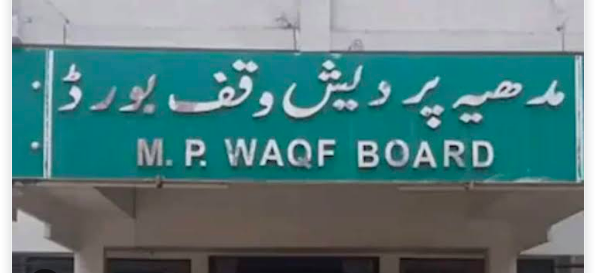 Bhopal: Muslim organizations in the BJP-ruled Indian state of Madhya Pradesh have launched protests against the appointment of Hindu members to the state Waqf Board, terming the move an interference in Muslim religious affairs and vowing to challenge it in the Supreme Court.
According to Kashmir Media Service, the protests follow the reconstitution of the Madhya Pradesh Waqf Board under the amended Waqf law, with the newly formed body including non-Muslim members.
Protesters gathered at Budhwara Square in Bhopal, demanding the withdrawal of the appointments. They argued that waqf institutions, which manage properties dedicated by Muslims for religious, educational and charitable purposes, should remain under the exclusive administration of the Muslim community.
Muslim organizations described the appointments as an unprecedented departure from the traditional management of waqf institutions and said the move undermines the autonomy of Muslim religious bodies. They also maintained that it was the first time non-Muslims had been inducted into a state Waqf Board in India, calling it a direct intrusion into the community’s religious affairs.

“Waqf is a religious and social institution of the Muslim community where people dedicate their property in the name of Allah for charitable purposes. The appointment of non-Muslim members to the Waqf Board is unacceptable,” said Shamshul Hasan, patron of the All India Muslim Tyohar Committee, which organized the protest.
Congress legislator Arif Masood also opposed the appointments, saying that the state government acted even though legal challenges to the amended Waqf law are already pending before India’s Supreme Court.
The controversy comes amid India-wide opposition by Muslim organizations to the Waqf (Amendment) Act, 2025, enacted by the BJP-led Indian government. The law, which reshaped the governance of waqf properties, including mosques, shrines, cemeteries, schools and other charitable assets, has faced multiple legal challenges from Muslim organizations and opposition parties, which argue that several of its provisions infringe upon the Muslim community’s constitutional and religious rights to manage its own endowments.