India orders mass audit of books in Kashmir: Al Jazeera
Experts call move ‘absurd’ and ‘memoricide’, bid to erase history
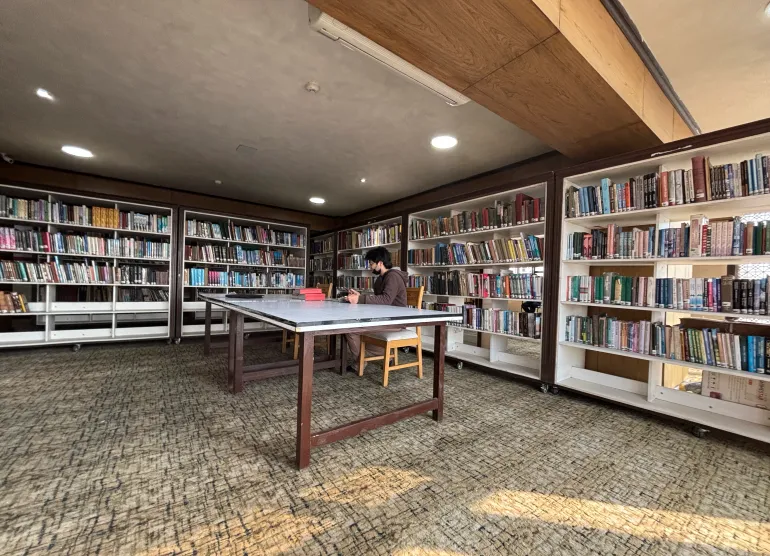
Srinagar: Authorities in Indian illegally occupied Jammu and Kashmir have launched a sweeping audit of books at schools, colleges and public libraries to remove material questioning India’s claim over the territory, Al Jazeera reported.
Kashmir Media Service, citing the Al Jazeera report, said a government order issued on July 9 directed all educational institutions to vet books, journals, dissertations, doctoral theses and digital resources.
Educational institutions have been directed to scrutinize books, journals, research papers, dissertations and digital resources for content deemed “objectionable”, including material that authorities claim promotes separatism, extremism or challenges India’s sovereignty. The authorities have also ordered an inquiry into how such publications reached public and educational libraries.

The inquiry, initially limited to school libraries, was later expanded to include research publications and digital content at universities. Officials have also ordered an investigation into how books with “seditious content” entered public libraries and institutions.
The latest crackdown began earlier this month after BJP leader Sunil Sharma demanded a ban on Personalities and Legends of J&K by Hilal Ahmad and Santosh Meena. Authorities objected to entries on Kashmiri freedom figures including Maqbool Butt, described in the book as a “martyr” and hanged in 1984, Masrat Alam Butt, and Syed Ali Gilani, who was quoted as calling Kashmir a “disputed region awaiting political resolution under the aegis of the United Nations.”
Another book, Great Personalities of Jammu and Kashmir by Sushant Giri, was also distributed to libraries under a government-funded programme. Sharma called the presence of such books “academic jihad” and accused them of trying to “poison the minds of young people.”
Indian Police subsequently raided publishers and arrested three people, charging them with “endangering the sovereignty, unity, and integrity” of India.
The audit has created anxiety among Kashmiri residents. A senior Kashmiri journalist told Al Jazeera on condition of anonymity that “writing or even reading about the region’s past suddenly becomes fraught with risk.” A Srinagar bookseller said shop owners were unsure “what will be considered antinational and what is in the national interest.”
Last year authorities banned 25 books, including works by AG Noorani, Sumantra Bose and Arundhati Roy, and raided bookshops to remove them. Police also confiscated 668 books written by Abul A’la Maududi.
Authors and experts criticised the audit. Writer Anuradha Bhasin called it “an exercise in intimidation” to criminalise reading, saying “books are not bombs.” Political scientist Sumantra Bose, whose two books were among those banned last year, termed the orders “absurd.” Kashmiri anthropologist Mohamad Junaid described the audit as “memoricide,” saying it was “a deliberate attempt to alter facts about the past and forcibly change people’s perception of their own lived experiences.”
Since 2019, when New Delhi revoked Kashmir’s special status and brought it under direct Delhi’s control, rights groups have reported increased curbs on academia, media and political expression in the territory.