Delhi Police’s takedown of anti-Modi content draws sharp criticism from digital rights groups
 New Delhi: The Delhi Police’s drive to remove social media posts critical of Indian Prime Minister Narendra Modi, shared during the Jantar Mantar protests, has drawn strong condemnation from Indian digital rights groups, which described the move as “unconstitutional”, “arbitrary” and a violation of the constitutional right to freedom of expression.
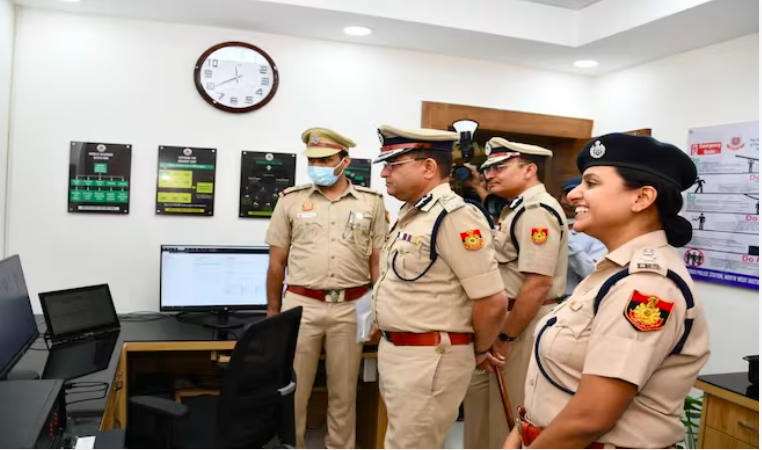
According to Kashmir Media Service, multiple Indian news outlets reported that Delhi Police directed social media platforms to take down posts and videos critical of Modi that were shared during the recent India-wide youth protests.
During the protests, Modi became a frequent target of criticism, with protesters posting posters, memes and other content directed at him. Reports said the Delhi Police’s social media monitoring team identified posts, videos and comments allegedly containing offensive remarks against the Indian Prime Minister before issuing takedown notices to online platforms. Police are also reportedly monitoring newly uploaded content.
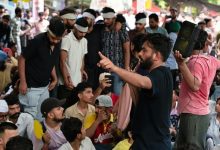
The New Delhi-based Internet Freedom Foundation (IFF) termed the move as “unconstitutional censorship” of political speech and demanded the immediate disclosure and withdrawal of the takedown notices. It said the targeted content constituted protected political expression arising from the student protests at Jantar Mantar and the July 20 “Sansad Chalo” march.
The IFF maintained that criticism of the Prime Minister, regardless of how offensive it may be perceived, is protected under Article 19(1)(a) of the Indian Constitution, while “offensiveness” is not valid ground for restricting freed speech under Article 19(2).
The organization also criticized the lack of transparency surrounding the exercise, noting that neither the takedown nor the legal provisions invoked had been made public. It called on Delhi Police to disclose all takedown notices, identify the legal basis for the action, publish the list of affected URLs and withdraw notices targeting satire, criticism and political commentary.
“Students who question an examination system are exercising their fundamental rights, and deleting their posts will not delete their questions,” the IFF said.
The Software Freedom Law Center, India (SFLC.in) also condemned the reported takedown drive, describing it as “arbitrary” and “unconstitutional”. It warned that the practice creates a “black-box censorship regime” lacking transparency, accountability and effective remedies for affected users, and called for greater judicial and independent oversight of content-removal requests.
Notably, the weeks-long protests across India over examination irregularities and paper leaks were accompanied by a digital crackdown, including temporary internet shutdowns around Jantar Mantar, suspension of social media accounts, content-removal requests and police checks of protesters’ mobile phones.