RSS is not only anti-national but also a terrorist outfit: Prashant Bhushan
Senior advocate says Hindutva outfit spreads hatred with impunity, calls for nationwide campaign to expose RSS
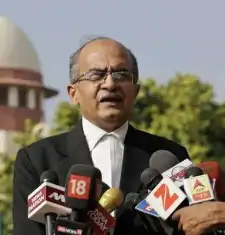
New Delhi: Senior Indian advocate and civil liberties lawyer Prashant Bhushan has launched a scathing attack on the Rashtriya Swayamsevak Sangh (RSS), saying the Hindutva organization is promoting communal hatred, encouraging violence, undermining constitutional values and exerting unchecked influence over India’s political and institutional landscape.
According to Kashmir Media Service, in his recent speech, Bhushan called for nationwide campaign to expose the RSS through legal action, public mobilisation and independent media, arguing that the organisation must no longer remain beyond public scrutiny.
He said the RSS has historically opposed India’s constitutional vision while fostering majoritarian politics and communal polarisation. He urged citizens to initiate legal action against those spreading hate speech and inciting violence, besides demanding greater transparency regarding the RSS’s organisational structure and source of funding.


“We must expose the RSS, which is not only anti-national but also a terrorist organisation,” Bhushan said.
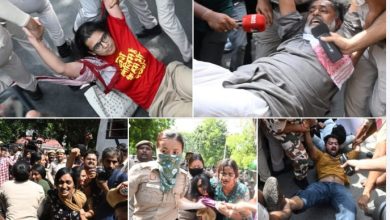
Referring to recent proceedings in the Indian Supreme Court concerning violence against student protesters, Bhushan said institutions begin to change only when sustained public pressure compels them to act. “When people come out onto the streets and create public pressure, institutions also begin to change. We must do the same against the RSS,” he said.
Describing the RSS as an “unchecked” organization, Bhushan said that it openly promotes communal hatred, violence and discrimination against Muslims, Christians, Dalits and women without facing meaningful legal action. He questioned how an organization claiming millions of members continues to function without public disclosure of its finances or institutional accountability.
Referring to newly constructed RSS buildings, including its large headquarters in Karnataka, Bhushan questioned the source of funding. “Where is this money coming from? Who is accountable for it? The country has the right to know,” he said, adding that organizations affiliated with the RSS also receive financial support from foreign sources and public sector institutions, warranting greater scrutiny.
Bhushan further said that the RSS neither participated in India’s freedom movement nor supported key national symbols after independence. He said the organization had opposed the Constitution and the national flag in its early years, contradicting its claims of nationalism.
He also said that RSS affiliates, including the Vishva Hindu Parishad (VHP), were systematically spreading hostility against Muslims and Christians through hate campaigns and inflammatory speeches. Such actions, he said, amount to hate speech under Indian law but frequently escape prosecution because governments are unwilling to act against organizations aligned with the ruling establishment.
Bhushan also referred to allegations made by former RSS-linked individuals regarding bomb-making training and conspiracies to falsely implicate Muslims in terror cases. He said that although some investigations initially progressed, they later weakened following political changes and alterations in prosecution teams. “They do not merely spread hatred,” he said adding, “They spread violence and terrorism as well.”
Rejecting the RSS’s claim of being merely a cultural organization, Bhushan said its influence extends deep into India’s political system, noting that many senior BJP leaders emerged from the RSS and that the organization exercises significant influence over government policies, political appointments and even the selection of vice-chancellors in central universities.
Questioning why organizations such as the Students Islamic Movement of India (SIMI) were banned while the RSS has never faced similar action despite more serious allegations, Bhushan urged lawyers, journalists and civil society groups to use independent and digital media to investigate and expose the organization’s activities.
He said exposing the RSS was not merely a political campaign but a constitutional imperative to safeguard India’s democratic institutions and secular character.