Separate protests in Jammu against IIOJK authorities’ anti-people policies
Bank depositors seek release of savings, tanker drivers protest traffic restrictions
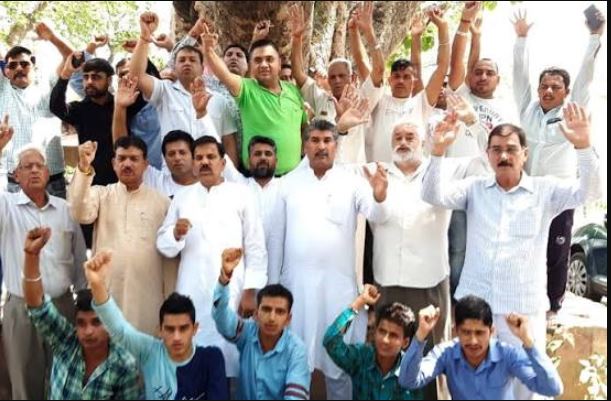
Jammu: People in Indian illegally occupied Jammu and Kashmir (IIOJK) held separate protests in Jammu against the authorities’ anti-people policies, stating that the administration is ignoring public grievances and causing unnecessary hardships to ordinary citizens.
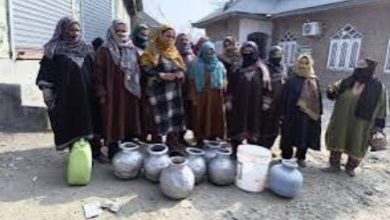
According to Kashmir Media Service, a large number of depositors of J&K State Cooperative Agriculture and Rural Development Bank staged a protest at the bank’s regional office in Jammu, demanding the immediate release of their long-pending deposits.
The protesters condemned the authorities for delaying the repayment of their hard-earned savings deposited in the 60-year-old state-guaranteed bank. They said their grievances had remained unaddressed for the past one-and-a-half years due to deliberate bureaucratic delays.


The protesters said that the prolonged delay had caused severe financial distress, with around ten depositors dying without receiving their money. They said several families had suffered as marriages were cancelled, children’s education was disrupted and medical treatment was delayed due to the non-payment of deposits. They urged the authorities to intervene and ensure the immediate release of their funds.
Meanwhile, oil tanker drivers and conductors staged a demonstration outside the Hindustan Petroleum Corporation Limited (HPCL) depot at Narwal, demanding permission to move their vehicles up to Chenani in Udhampur district until the Srinagar-Jammu Highway is reopened.
The protesters said the authorities were forcing fuel tankers to remain parked at Narwal instead of allowing them to hald at designated points such as Chenani, causing operational difficulties and unnecessary hardship. They also raised concerns over the safety risks of parking a large number of fuel and LPG tankers within Jammu city.
The drivers urged the authorities to restore the designated halting facilities that had previously been provided during highway closures and emergency situations.