‘Prolonged Indian oppression has severely affected Kashmiris’ mental health’
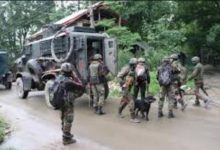
 Islamabad: The people of Indian illegally occupied Jammu and Kashmir have been suffering from Indian oppression and tyranny for the past 78 years and continuous extrajudicial killings, unjustified arrests and other atrocities by Indian forces have also severely affected the mental health of Kashmiris.
According to Kashmir Media Service, mental health in Indian illegally occupied Jammu and Kashmir is described by experts as being in a state of severe crisis, characterized by a high prevalence of mental distress, anxiety, depression, and post-traumatic stress disorder (PTSD) stemming from decades of conflict.
The Kashmir Institute of International Relations, an independent research and advocacy organization, documenting human rights conditions and conflict related developments in occupied Jammu and Kashmir, in its report has exposed Indian brutalities destroying mental health of people of Kashmir.
The report links mental wellbeing with living conditions and guaranteed human rights, saying over 100,000 people died in three decades of armed conflict and more than 8,000 enforced disappearances are documented in IIOJK.
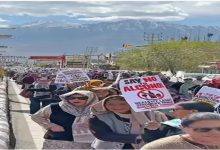
It said Article 370 and 35A were revoked on August 5, 2019 and post August 2019, Kashmir faced prolonged curfews and the longest internet ban. One study reports 45 percent of adults, about 1.8 million, suffer distress.
The KIIR report said depression affects 41 percent, anxiety 26 percent, PTSD 19 percent and around 47 percent of surveyed adults experienced significant traumatic events. Similarly, Childhood psychiatric disorders affect 22 to 27 percent aged 8–14.
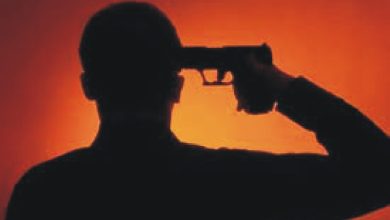
According to the report, suicide attempts increased over 250 percent between 1994 and 2012, adding Only about 10 percent of mental health patients receive treatment. The 2011 Census records Jammu and Kashmir population at 12.5 million.
The report said the region has only 41 psychiatrists, mainly in Jammu and Srinagar, mental services center in GMC, Srinagar, and Soura IMS hospital and there are 140 psychiatric indoor beds across ten districts. Likewise, district consultants number only five to six statewide.
Dr Arshad Hussain cited rising anxiety and depression during COVID-19 and National Family Health Survey shows 61 percent women report reproductive problems.
According to the reports, the national average for reproductive health issues stands at 39 percent, premature ovarian failure ranges 20–50 percent versus national 1–5 percent and a Soura IMS study found 65–70 percent PCOS patients had psychiatric illnesses.
Similarly, according to the report, at SMHS and Government Psychiatric Hospital, 75 percent daily patients are women and ninety one percent widows surveyed never considered remarriage in the Valley.
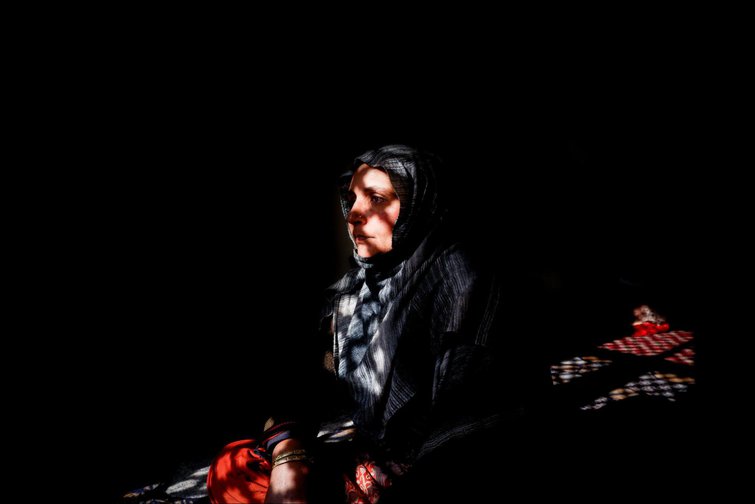
It said Ishtiyaq Ahmad Khanday, aged 15, was killed June 29, 2010 and his mother Jameela Banu was diagnosed with depression and PTSD.
The KIIR report described the IIOJK as an “Open Air Prison” under siege.