Jamiat protests exclusion of 27 lakh voters, curbs on mosque microphones in West Bengal
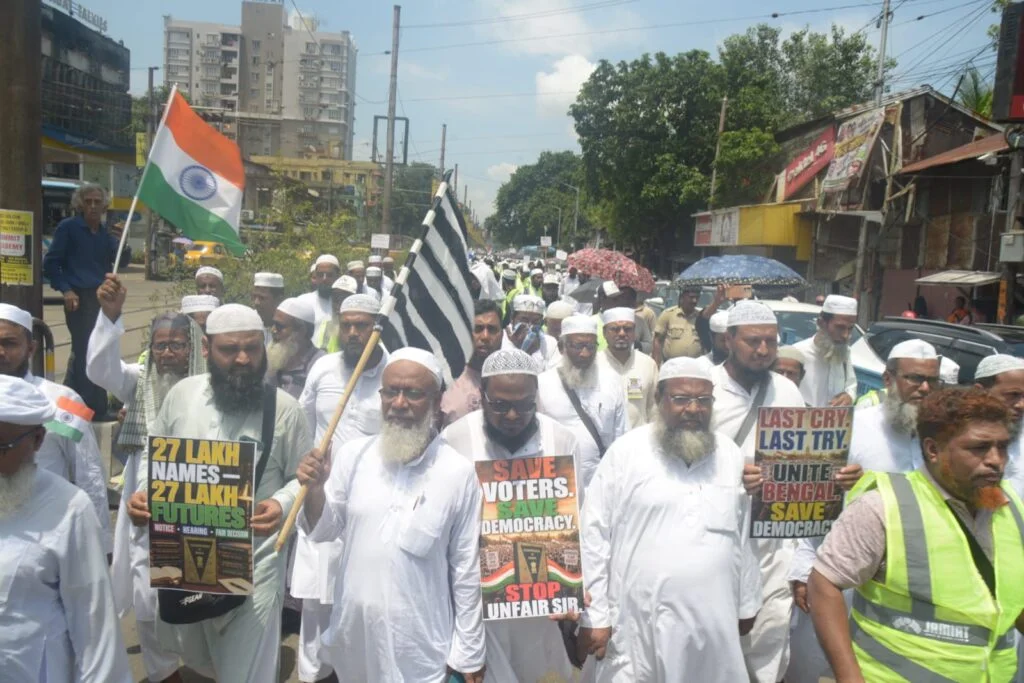 Kolkata: The Jamiat Ulama-e-Hind organized a protest march in Kolkata, demanding the restoration of the names of around 27 lakh voters excluded from West Bengal’s electoral rolls following the Special Intensive Revision (SIR) process, amid growing concerns over the rights and access to essential services of affected people.
According to Kashmir Media Service, the march, led by Jamiat’s West Bengal president Maulana Siddiqullah Chowdhury, began in the Rajabazar area and proceeded towards Moulali. Religious leaders, human rights activists and members and supporters of the organization participated in the demonstration.
The protesters said that the exclusion of voters from the electoral rolls was creating difficulties for affected people in accessing various government and administrative services, including passport-related services and educational opportunities. They demanded that the cases of excluded voters be resolved at the earliest and called for tribunals to be established in every district to expedite the process.
Addressing the protesters, Jamiat leader Mufti Abdus Salam said that more than 2.7 million names had been excluded from the electoral rolls following the SIR process. He said that uncertainty had increased among people whose names had either been excluded or remained “under consideration”, as well as those whose cases were pending before tribunals.
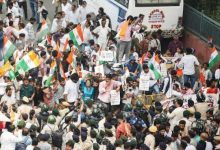

The protesters also raised concerns over reports that police personnel were asking mosque committees in different parts of West Bengal to remove microphones.
Siddiqullah Chowdhury said that police officials had visited several mosques and either removed microphones or verbally instructed mosque committees to take them down without showing any written order. He also said that there had been reports from some areas where mosque committees were told that the Fajr azan could not be broadcast through microphones.
The march brought together two major demands raised by the organization—speedy resolution of cases involving voters excluded during the SIR process and the clarity from the administration on the use of microphones at religious institutions.