BJP’s so-called outrage over ‘vulgar’ slogans exposes its double standards
Modi, party leaders long accused of degrading India’s political discourse

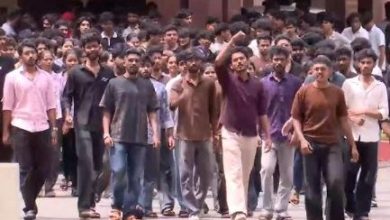
New Delhi: The Bharatiya Janata Party’s so-called outrage over alleged vulgar slogans raised by students during recent protests at Jantar Mantar has highlighted what critics describe as a glaring double standard, given the history of provocative and derogatory rhetoric used by senior BJP leaders, including Prime Minister Narendra Modi.
According to Kashmir Media Service, political scholar Christophe Jaffrelot has argued that the BJP and Modi have for years relied on sarcasm, personal attacks, communal rhetoric and inflammatory language as part of their political strategy, making the party’s recent indignation over offensive slogans appear deeply contradictory.
Jaffrelot cited Modi’s derogatory descriptions of political opponents during his years as Gujarat chief minister, as well as his repeated use of rhetoric targeting Muslims and alleged “infiltrators”. He noted that Human Rights Watch’s analysis of 173 Modi campaign speeches in 2024 found that 110 contained language classified as hate speech.


The analysis also points to inflammatory remarks by other senior BJP figures. Amit Shah has previously compared alleged illegal migrants to “termites”, while BJP leaders and affiliated groups have faced criticism over anti-Muslim slogans and calls for violence.
The political scholar argues that provocative rhetoric has been central to populist politics, allowing leaders to portray themselves as speaking in the language of ordinary people while attacking political opponents and minorities. He said the BJP’s national-populist approach has frequently combined political polarization with Hindu nationalist themes and communal narratives. The recent protests at Jantar Mantar have therefore exposed an apparent contradiction: a political establishment accused of normalising abusive and divisive rhetoric is now seeking to portray mocking slogans directed at its leadership as uniquely unacceptable.
Critics say the controversy also reflects shrinking space for dissent in India, where criticism of those in power is increasingly portrayed as offensive, anti-national or illegitimate rather than being treated as part of democratic political expression.
The episode has renewed questions over political accountability and whether those who occupy the highest constitutional offices should themselves be held to the standards of civility and restraint that they demand from their opponents and protesters.