‘25-30 pellets still in body’: CJP chief flags grave injuries
Pellet gun apathy first tested on Kashmiris now in Delhi: Rights observers
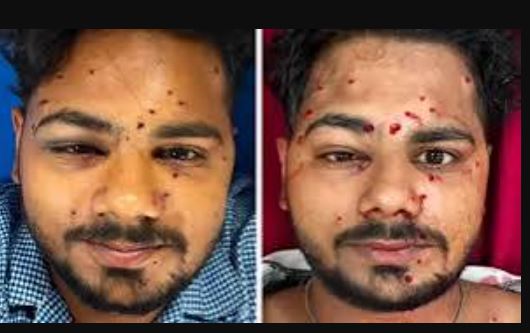
New Delhi: A month after the July 20 protest at New Delhi’s Jantar Mantar, fresh concerns have emerged over protesters still living with pellet injuries, with rights observers warning that the same brutal practice first used against Kashmiris is now being applied in the Indian capital.
According to Kashmir Media Service, Cockroach Janta Party (CJP) chief Abhijeet Dipke Dipke on Monday raised alarm over the condition of protester Vikas, who he said still has “25-30 pellets lodged in his bones” and faces a serious risk of infection.
“Vikas told me that 25-30 pellets are still lodged in his bones and that there is a serious risk of infection. He says at Safdarjung, he was told to let the injuries heal on their own,” Dipke said in an Instagram post.

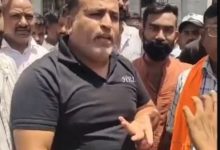
Describing it as “such is the apathy of the state,” Dipke alleged that pellet guns were used against protesters “as if they were criminals” and that the injured were subsequently left without adequate government support. He appealed to doctors willing to help the victims to come forward.
Indian media had first reported on August 21 that several youth injured in the July 20 clash were still suffering. Following the report, the CJP contacted the Tribune newspaper, leading to a fresh follow-up with the victims on Sunday.
Other cases have also surfaced. Protester Lochab almost lost vision in one eye after being hit by pellets, while Rahul said three pellets were found in one of his eyes. An FIR was later registered in Delhi, with Rahul alleging that police acted only “after getting a call from the higher-ups in the Home Ministry.”
The gravity of the issue was further highlighted by TMC leader Saket Gokhale, who said two Central Government hospitals in Delhi confirmed 10 victims with pellet gun injuries from July 20.
Rights observers note that pellet guns were first deployed extensively in Indian illegally occupied Jammu and Kashmir, where thousands of civilians, including children, suffered eye injuries and permanent disabilities. The use of the same weapon against mainland protesters and the subsequent lack of medical care, they say, underscores how a practice normalized in Kashmir has now come to Delhi.
The CJP said the continued silence over the number of injured and the medical support provided raises serious questions about state accountability.