Bangladesh PM’s India visit delay exposes Modi govt’s diplomatic setbacks
New Delhi must come to terms with a new Bangladesh reality: Indian analys
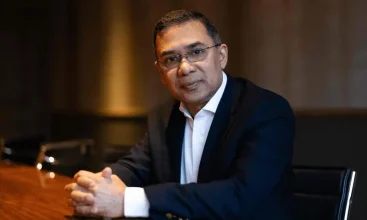 New Delhi: The postponement of Bangladesh Prime Minister Tarique Rahman’s proposed visit to India has highlighted growing strains in relaitions between Dhaka and New Delhi, adding to the Modi government’s diplomatic setbacks in the region.
According to Kashmir Media Service, the Hindutva-led Modi government is facing growing diplomatic challenges both globally and in South Asia due to what critics describe as flawed policies. India-Bangladesh ties have deteriorated since the ouster of former Bangladeshi Prime Minister Sheikh Hasina following a popular student-led uprising, after which she took refuge in India.
New Delhi had extended an invitation to Tarique Rahman for a stand-alone visit to India this month, ahead of next month’s scheduled BRICS summit.
Al Jazeera reported that the postponement of Rahman’s first proposed visit to India since taking office underscored the continuing tensions between the two countries. Fugitive and convicted Sheikh Hasina’s press conference in India on August 5 triggered widespread anger in Bangladesh. As per the report, Dhaka said the event had “vitiated” the atmosphere and that “a propitious environment needs to be created for the visit” of Prime Minister.


Tarique Rahman’s foreign affairs adviser, Humayun Kabir, in a media interview said that there is “no rush” in Dhaka to facilitate the prime minister’s visit to India. He added that Dhaka is still ascertaining what kind of relationship India wants with the newly elected government in Bangladesh. “The neighbouring country must properly understand the reality of Bangladesh’s July Mass Uprising, which took place through the sacrifices of more than 1,500 people,” he said, referring to India sitting on the request for Hasina’s extradition.
Bangladesh has made Hasina’s extradition a major issue. “Hasina’s government was seen as especially close to India, and New Delhi’s backing of her authoritarian rule also angered Bangladeshis,” Al-Jazeera report said.
Dhaka has been seeking the extradition of Hasina, who was handed a death sentence in absentia in November 2025. Some analysts have accused New Delhi of using it as a diplomatic bargaining chip. Bangladesh has expressed its displeasure with India for hosting Hasina and sees Hasina’s political speeches as an interference in its internal affairs.
Relations between the two countries have also been strained by disputes over border fencing and anti-Bangladesh rhetoric from Indian ruling-party figures.
For New Delhi, Dhaka inching closer to Pakistan after decades of strained ties is a major diplomatic setback, Al Jazeera report further said.
Sreeradha Datta, a professor specialising in South Asian studies at India’s OP Jindal Global University, was quoted by Al Jazeera as having said that New Delhi needs to come to terms with a new reality that the government of Bangladesh may not share the same warmth as the one under Hasina did.
The strained ties with Bangladesh, analysts say, underscore the challenges facing India’s regional diplomacy as neighbouring countries increasingly seek relations based on sovereign equality, mutual interests and greater strategic autonomy.