Questions over India’s election as Chandigarh alone loses over half of voters
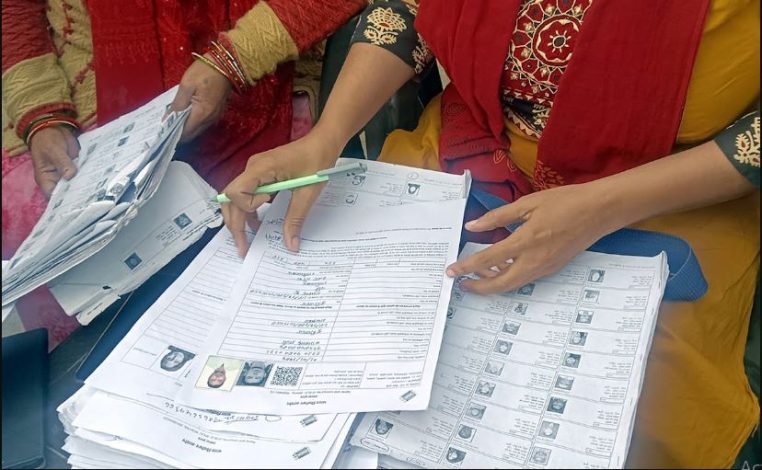
Chandigarh: The deletion of a large number of voters from electoral rolls in Chandigarh under India’s ongoing Special Intensive Revision (SIR) has raised serious questions over the transparency and credibility of the electoral process across India.
According to Kashmir Media Service, Chandigarh Lok Sabha member Manish Tewari has said the number of electors retained in the city’s SIR rolls has fallen by more than half compared with the 2024 general election, and demanded complete transparency in the exercise.
Tewari said Chandigarh had 659,805 registered electors during the 2024 Lok Sabha election, but only 302,000 had been retained without scrutiny in the SIR rolls, according to the latest meeting held on August 14. He said 138,070 notices had also been issued to voters.


The development assumes significance as such a massive reduction in the electoral roll in a single city raises concerns about whether eligible voters could be excluded from the democratic process.
In a letter to Chandigarh Chief Electoral Officer Prema Puri, Tewari sought elector-wise details of every deleted name, including the voter’s name, ward, booth number and specific reason for deletion. He also demanded details of deletions made both before and during the SIR exercise.
The MP further sought a complete list of voters issued notices, including the date and reason for each notice, along with details of responses received and action taken by the authorities.
Tewari had earlier raised the issue on August 5, citing an Election Commission chart that showed 450,282 electors in the draft roll as of August 2, compared with 659,805 during the 2024 general election. The figures represented a net reduction of 209,523 voters, or 31.76 per cent, while the average deletion across Chandigarh’s 35 wards stood at 33.72 per cent.
The chart also listed 66,145 electors under the ASDD category — Absent, Shifted, Dead and Duplicate.
The sharp variation in voter numbers within a relatively short period has intensified concerns over the conduct of electoral-roll revisions and the safeguards available to prevent wrongful exclusion of eligible voters.
The Chandigarh case has therefore brought renewed focus on the wider question of transparency, accountability and public confidence in India’s electoral process, particularly when large-scale deletions are undertaken without elector-wise information being readily available to the public.