Asaduddin Owaisi exposes BJP-RSS double standards
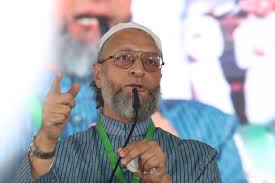 New Delhi: All India Majlis-e-Ittehadul Muslimeen chief Asaduddin Owaisi has exposed the stark contradiction in the historical narrative of the Bharatiya Janata Party (BJP) and Rashtriya Swayamsevak Sangh (RSS) over Prime Minister Narendra Modi receiving Uzbekistan’s highest civilian award.
According to Kashmir Media Service, Asaduddin Owaisi in a statement clarified that on the one hand, political circles affiliated with the BJP and RSS constantly criticize Mughal Emperor Babur and the Mughal era, while on the other, Modi has accepted the highest award from the same country which is the birthplace of Mughal Emperor Babur.
Owaisi sarcastically said, “You used to say such insulting things in the name of Babur, but today you are receiving the highest award from the same country.”
Addressing the RSS and the Sangh Parivar, he said that they should consider this contradiction and review their narrative of making Babur’s name a political slur in Indian politics. He said this matter is not just a diplomatic honor but exposes the contradiction in the historical and political narrative of the BJP-RSS.

He said Emperor Babur is the same historical figure whose name has been used by the BJP and the RSS for years to incite anti-Muslim sentiments in the Mughal era and the Muslim history of India and the people.
He raised the question that if Uzbekistan’s honor is something to be proud of, then why is the name of Babur and Mughal history being used as a weapon of political hatred?
Referring to the renaming of roads and places named after Mughal emperors and criticism of Mughal history in India in recent years, Asaduddin Owaisi said in this context, Modi’s acceptance of a high honor from Uzbekistan is a clear political contradiction and double standards.
He said those who do politics on Babur and Mughal history in the country are accepting honors from a land with the same historical background abroad.
It should be noted that Babur was born in the Fergana Valley, which is located in present-day Uzbekistan.