Fake Muslim identities used to fuel anti-Muslim tensions in India
Staged videos, social media amplification used to portray Muslims as suspects
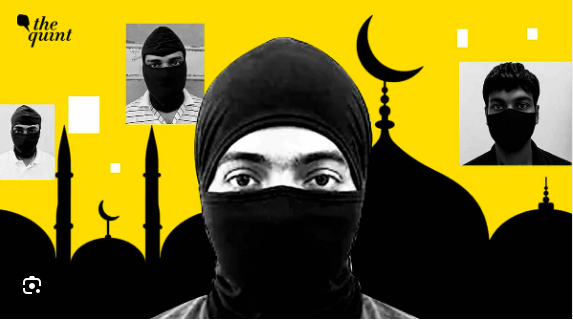 New Delhi:The use of fake Muslim identities, staged incidents and manipulated social-media content to provoke communal tensions and reinforce anti-Muslim narratives has emerged as a disturbing pattern in India, with recent cases showing how fabricated allegations can be used to portray Muslims as security threats and foment hostility against the community.
According to Kashmir Media Service, a police investigation in Bareilly, Uttar Pradesh, exposed one such case when a video circulated online showing a Muslim child chanting “Pakistan Zindabad” during a Muharram procession. Police found that two Hindu men had staged the video and forced the child to raise the slogans with “malicious intent”, subsequently registering a case against them. The incident is significant because such footage, when circulated without context, can rapidly inflame communal sentiments in India’s highly polarised environment and reinforce narratives portraying Indian Muslims as disloyal or sympathetic to Pakistan.
The Bareilly case is not an isolated incident. Reports indicate that at least four cases were recorded in June alone in which individuals used Muslim identities or pretended to be Muslims while attempting to create communal tensions.
Such incidents can operate through a recurring chain: fake Muslim names or identities, staged or fabricated incidents, selective recording, rapid circulation through social media, communal amplification and subsequent targeting of Muslims. The resulting narrative can portray the Muslim community as responsible for acts that may have been fabricated or committed by others.

Experts have linked the phenomenon to a broader pattern of communal politics in India.
Delhi University professor and political commentator Apoorvanand described the practice as a very old pattern and linked it to the RSS.
The repeated use of fabricated Muslim identities also raises questions about accountability and the effectiveness of India’s legal and law-enforcement mechanisms in preventing the deliberate manufacture and dissemination of communal narratives.
The practice is aimed at making entire Indian Muslim population suspicious and provide further justification for more actions against the Muslim community.