Islamophobia has seeped into India’s film industry: Bollywood filmmaker
Tigmanshu Dhulia raises concerns over anti-Muslim prejudice, self-censorship
New Delhi: Bollywood filmmaker Tigmanshu Dhulia has said growing Islamophobia across Indian society has seeped into the country’s influential film industry, acknowledging concerns over anti-Muslim prejudice in Bollywood.
According to Kashmir Media Service, Dhulia, an acclaimed director, screenwriter and actor, made the remarks while delivering the keynote address at the Editors Guild of India’s Rajendra Mathur Memorial Lecture in New Delhi last week. His address examined the state of India’s media and film industry amid concerns over censorship, political influence and declining creative freedom.
Asked by veteran journalist Paranjoy Guha Thakurta whether Islamophobia had entered Mumbai’s film industry, Dhulia said cinema could not remain insulated from prejudices spreading through wider society.


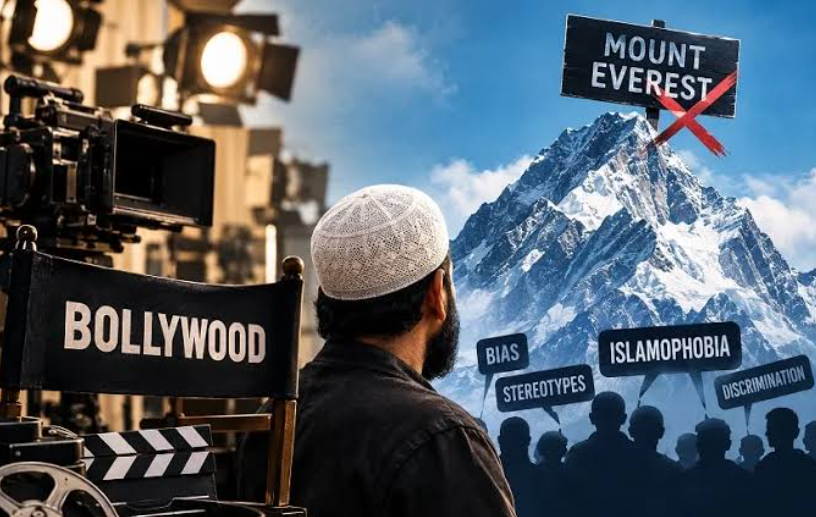
“Islamophobia spread across the whole society; the film industry isn’t isolated on Mount Everest,” Dhulia said.
Bollywood has faced criticism over the portrayal of Muslims amid increasing political and social polarization in India.
Several commercially successful films in recent years have been criticized by movie critics, scholars and Muslim groups for depicting Muslims as terrorists, invaders or demographic threats while presenting Hindutva narratives as historical fact. Some politically charged films have also received public endorsements and tax concessions from state governments led by the Bharatiya Janata Party (BJP).
Dhulia also linked the changing film environment to growing pressure on creative expression. Asked whether fear of police complaints and legal action now influences what filmmakers write, he acknowledged practicing self-censorship.
“If I got an opportunity right now and instinctively thought, ‘Hey, let me write this dialogue,’ I would have to think twice,” he said.
Dhulia also criticized the increasing corporatization of Bollywood and argued that commercial considerations had weakened storytelling, further restricting creative freedom.