IIOJK High Court sets aside discharge of civilian in 2013 UAPA case
Experts decry targeting of Kashmiris by reviving fake old cases
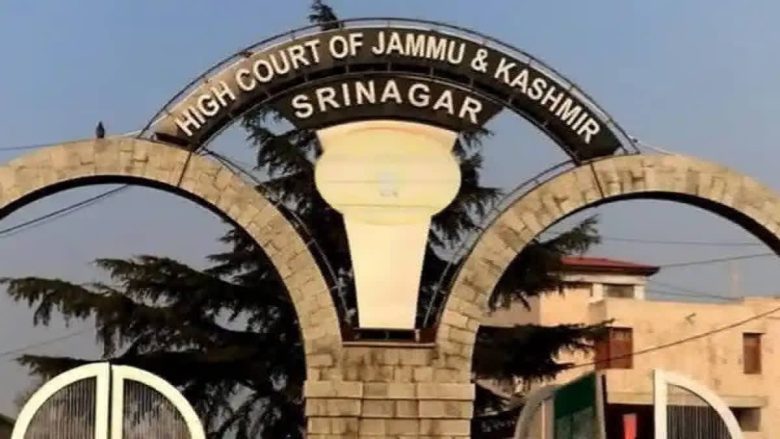 Srinagar: The High Court of Indian illegally occupied Jammu and Kashmir has set aside the discharge of an accused in a 2013 case under draconian Unlawful Activities (Prevention) Act and directed the trial court to proceed afresh with framing of charges.
According to Kashmir Media Service, a division bench headed by Acting Chief Justice Sanjeev Kumar passed the order in the case of Mohammad Yousuf Lone, who was discharged earlier by the Additional District and Sessions Judge, Kupwara.
The case relates to a procession that came out of Jamia Masjid Kupwara on November 08, 2013, allegedly led by Mohammad Yousuf Lone and late veteran Hurriyat leader Syed Ali Gilani.
The chargesheet alleges raising of slogans and stone-pelting at Indian police and armed forces. The High Court observed that “sloganeering for secession” prima facie falls within the definition of “unlawful activity” under UAPA. It said the trial court’s order was a “bare conclusion” without testing the material on record against the statutory provisions. The bench noted that the chargesheet, witness statements and other material disclose “strong suspicion sufficient to put the respondent on trial.”
Allowing the authorities’ appeal, the High Court directed the trial court to restore the chargesheet and proceed with framing of charges against the accused after considering the material placed on record.
Legal experts in Srinagar have opposed the ruling, saying such prosecutions amount to the continued targeting of Kashmiris on what they termed “baseless charges.” They said the revival of so-called decade-old cases was aimed at creating an atmosphere of intimidation and harassment in the territory and to curb political expression and freedom sentiments. The experts argued that criminalizing sloganeering and peaceful assembly under draconian laws like UAPA sets a dangerous precedent and undermines due process, particularly in a disputed territory where political dissent has long been treated as a security threat.