India’s minorities face discriminatory detention, violence and pressure: Report
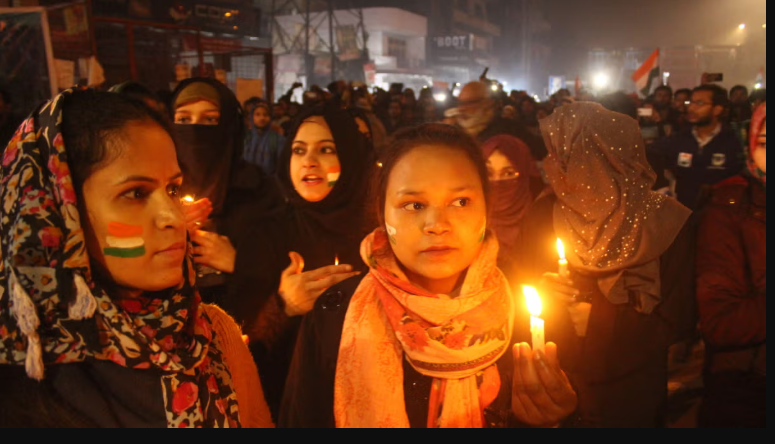
New Delhi: An analytical report based on the contents published in a section of the Indian media has highlighted how minority rights in India are being undermined, describing the country’s democracy as one “with exceptions.”
The report cited data showing that around 70% of prisoners in India are awaiting trial, with Muslims and Sikhs disproportionately represented. It noted over 40 million cases pending in lower courts and six million in high courts, with delays leaving families and livelihoods in limbo.
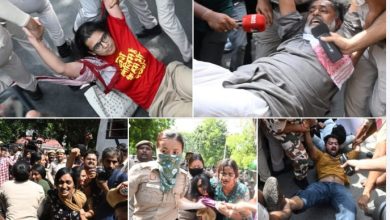
The case of activist Umar Khalid, arrested in 2020 under counterterrorism laws, was cited as an example of prolonged detention without conviction. The report alleged that Muslims face violence by extremist groups, inadequate police response, and demolition of homes through “bulldozer justice” without court orders.


Christians, it said, are affected by restrictive anti-conversion laws, some carrying life imprisonment, which blur the line between coercion and voluntary faith.
For Sikhs, the report claimed farmers’ protests have been branded “anti-national,” while serious allegations of transnational repression targeting Sikh activists abroad were also flagged.
Dalits were described as facing entrenched caste discrimination compounded when they convert to Christianity or Islam, leading to loss of affirmative action benefits.
The analysis linked the tightening of policies affecting minorities to the Modi government’s tenure since 2014.
While the Indian government rejected USCIRF’s assessment in March 2026 as “biased,” the report said diplomatic disagreement does not remove the need to address prolonged detentions, violence and discrimination. It concluded that democratic credibility depends on timely trials, protection from violence, and accountability, asking whether a Muslim can defend their home, a Christian practise freely, a Sikh protest without suspicion, and a Dalit secure justice regardless of caste.