Parvez Shah warns of growing information gap amid restrictions in IIOJK at UNHRC
Calls for transparency, independent monitoring and greater international engagement
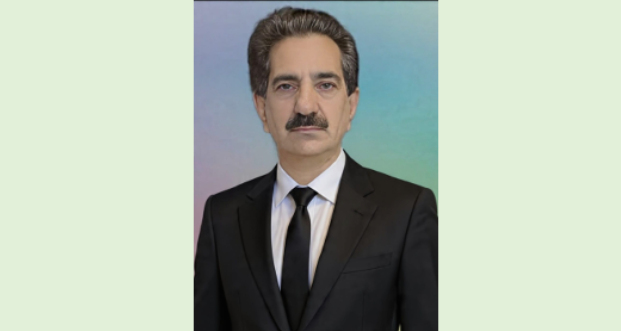
Geneva : All Parties Hurriyat Conference Azad Jammu and Kashmir (APHC-AJK) chapter General Secretary and representative of United Villages to the United Nations Human Rights Council (UNHRC), Advocate Parvez Ahmed Shah, has warned that restrictions on public expression, political participation and independent monitoring are deepening the information gap about the situation on the ground in Indian illegally occupied Jammu and Kashmir (IIOJK).
According to Kashmir Media Service, addressing the United Nations Human Rights Council in Geneva under Agenda Item 3, Advocate Parvez Shah drew the Council’s attention to the ongoing situation in IIOJK and called on it to ensure transparency and open engagement in the occupied territory.
In his statement, he noted that the people of occupied Jammu and Kashmir continue to seek the realization of their right to self-determination, a matter that has remained on the agenda of the United Nations for decades.
The statement highlighted increasing restrictions on public expression, with peaceful gatherings facing heavy constraints. “The voices of journalists, civil society members and human rights defenders are being limited, making it difficult to document and report developments on the ground,” he said.
He expressed concern over the growing disempowerment of the Kashmiri people, saying, “Political space has been narrowed, local institutions weakened and avenues for meaningful participation in decisions affecting daily life have been reduced, creating a deep sense of alienation and lack of agency among ordinary citizens.”
He emphasized that independent human rights organizations and international media continue to be denied access to the region. “Combined with internet disruptions and restrictions on press operations, this has created a wide information gap, with concerns related to detention conditions, freedom of movement and public discourse not receiving adequate attention,” he said.
Addressing the Council President, Advocate Shah stated, “When independent monitoring is not possible, information flows are restricted, and people are disempowered, it becomes harder for this Council and the international community to form a clear and balanced understanding of the situation. Transparency, inclusion, and open engagement are essential to build trust and to prevent further escalation of conflict and therefore warrants immediate intervention of this Council.”
He called on the Human Rights Council to ensure transparency and open engagement in the region.