India faces growing concerns over rights, dissent and minority targeting
Mumbai civic body asks airport to cut mosque water supply after BJP drive

New Delhi: Rights concerns, restrictions on dissent and contentious state actions affecting minorities and vulnerable communities have intensified across India, with recent developments raising fresh questions over civil liberties and democratic freedoms.
Mumbai civic authorities have ordered the airport authorities to disconnect the water supply of a mosque near Terminal 2, following a campaign by Bharatiya Janata Party (BJP) leader Kirit Somaiya, who has termed the issue “land jihad”.
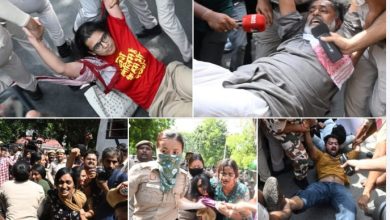
The Internet Freedom Foundation (IFF) has urged Delhi Police to withdraw notices seeking identifying information about people who posted content concerning student protests at Jantar Mantar, saying the notices lacked sufficient details about the alleged offences and legal basis.


In Gujarat, the High Court granted seven-day parole to Bilkis Bano case convict Radheshyam Shah, citing his family’s economic condition. Shah is one of the convicts in the 2002 gang-rape and murder case whose remission was quashed by the Supreme Court in 2024.
Meanwhile, citizenship and demographic issues have become increasingly contentious in violence-hit Manipur, where protests are demanding implementation of the National Register of Citizens (NRC) before the Assembly elections. A Kuki-Zo spokesperson has also claimed that political settlement talks with the Centre were nearing completion shortly before the 2023 ethnic violence erupted.
Electoral-roll revisions have triggered further controversy. In Delhi, 33 lakh voters were issued Special Intensive Revision (SIR) notices, including 19.33 lakh cases classified as “logical discrepancies”, while the criteria for the classification have been questioned. In West Bengal, the Election Commission said 22.21 lakh of 27.16 lakh deleted voters had appealed for restoration.
At the same time, 31 UAPA cases remain pending in Maharashtra’s Aheri court, most for more than five years, prolonging undertrial incarceration.
In Mumbai, the civic administration has announced an October drive against 39,111 unauthorised slum structures taller than 14 feet, raising concerns over possible displacement of thousands of residents.