Azad questions validity of polls after objections by ECI members over SIR
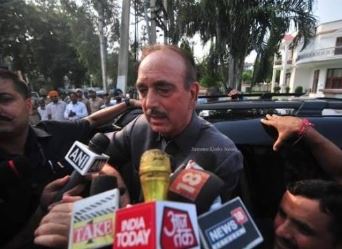
Srinagar: Democratic Progressive Azad Party chairman Ghulam Nabi Azad has questioned the validity of elections held in India after the Special Intensive Revision (SIR) of electoral rolls, saying objections raised by two Election Commissioners against the Chief Election Commissioner warrant scrutiny and necessary action.
Speaking to reporters in South Kashmir’s Islamabad town, Azad said reported differences within the Election Commission of India (ECI) had raised serious questions about the electoral process, particularly over alleged deletion of voters during the SIR.
“If two Election Commissioners are saying that they have raised objections, not once but over a dozen times, with the Chief Election Commissioner that he is doing wrong, but the Chief has not paid attention and did what he wanted to do, then this raises a serious question,” Azad said. He questioned whether elections conducted after the SIR, amid allegations of voter deletions, should be allowed to stand. “This raises questions about the elections that happened, especially after SIR and deletion of voters. Should they have happened, or should those elections happen again?” he asked.


Azad said the issue could not be dismissed as a political allegation if members of the Election Commission themselves had reportedly objected to decisions taken by the Chief Election Commissioner.
“The demand of the Opposition is not wrong. It would have been wrong if there were only allegations. But the two members who have been appointed by the Government, and the Chief has also been appointed by the Government – if two Election Commissioners are raising objections, we have to listen to them and trust them,” he said.
Calling for necessary action, Azad urged Opposition parties to come together in Indian Parliament and raise the issue. “In this regard, necessary action must be taken. The Opposition must come together in Parliament and this issue must be raised in the House,” he said.
Azad said concerns over the functioning of the ECI had been raised by political parties for several years, but such allegations had often been difficult to substantiate.