Systemic health failures lead to tragic loss of 32 tribal children in Madhya Pradesh
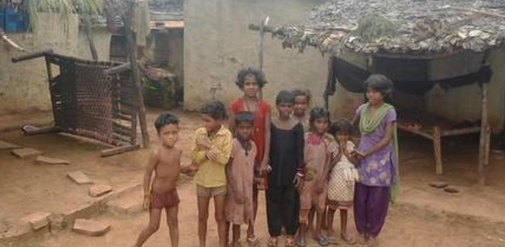
Islamabad: At least 32 indigenous tribal children died in Balaghat district of Madhya Pradesh state of India due to preventable diseases, severe acute malnutrition, and a complete lack of medical infrastructure.
According to Kashmir Media Service, official investigations revealed vacant specialist doctor positions, the total absence of a district public health laboratory, and villages operating without frontline health workers for over a year.
The preventable deaths of 32 tribal children highlight a fatal failure of basic public healthcare delivery under the state administration.


Official attempts to dispute death counts reveal a troubling pattern of administrative apathy toward indigenous communities.
Operating an entire district without a public health laboratory delays the detection and treatment of fatal disease outbreaks.
Leaving remote tribal villages without regular frontline health workers for over a year cuts off vulnerable infants from life-saving medical care.
Over 600 documented cases of severe acute malnutrition demonstrate the complete breakdown of state nutrition and child welfare programs.
Unfilled medical specialist positions in rural health centers leave impoverished families without access to basic emergency treatment.
The stark contrast between public relations spending and the neglect of tribal health centers exposes distorted administrative priorities.
Failsafe disease surveillance mechanisms were virtually non-existent, allowing seasonal, treatable infections to escalate into fatal crises.
Chronic hunger and stunted growth among indigenous children contradict official claims of successful development initiatives.
Independent judicial oversight and immediate institutional accountability are urgently needed to restore basic health services and prevent further loss of life in tribal belts.