TMC MP seeks UN intervention over drinking water denial to Kolkata Muslim colony
Says around 5,000 residents have been deprived of drinking water for nearly two months
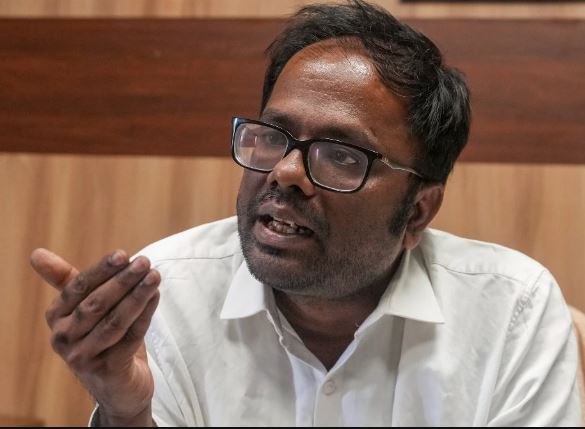
New Delhi: Trinamool Congress (TMC) Member of Parliament Samirul Islam has urged the United Nations human rights authorities to intervene over what he described as a serious humanitarian and human rights crisis affecting thousands of Muslim residents of Jyoti Nagar Colony in Kolkata, West Bengal, who have been deprived of government-supplied drinking water for nearly two months.
In a letter dated October 8 to the United Nations High Commissioner for Human Rights, Islam stated that approximately 5,000 residents of the colony in Belgachia, Kolkata, had been without a regular government drinking water supply for nearly two months.
The letter said that the water supply was disconnected and not restored following the Bharatiya Janata Party’s (BJP) victory in the 2026 Assembly elections. Islam said that the disconnection was a deliberate act of discrimination based on religion and voting patterns.

“The reason for stopping drinking water is highly alarming… The water services cut off as the BJP leaders who have recently come to power in the state, considered that those people have no right to get drinking water as they are Muslims and did not cast vote for the BJP,” Islam wrote in the letter.
The Muslim parliamentarian detailed the severe hardships faced by the community, noting that while one or two organizations attempted to arrange water tanks from outside the region, the alternative supply remains inadequate.
“Children, elderly persons and entire families have been compelled to depend on limited and irregular arrangements for their most basic daily need,” the letter stated. Islam warned that the ongoing crisis could result in “widespread disease affecting health of thousands of people.”
Citing international human rights frameworks, Samirul Islam emphasized that access to safe and clean drinking water is a fundamental human right. He referenced the UN Committee on Economic, Social and Cultural Rights, stating that the right to water entitles everyone to “sufficient, safe, acceptable, physically accessible and affordable water for personal and domestic use.”
“The residents have not asked for a privilege or a special benefit. They are asking for access to something indispensable for their survival,” the letter read.
Despite repeated appeals to local administration, Islam stated that a permanent solution has not been provided. He formally requested the United Nations to seek information from concerned authorities regarding the prolonged failure, immediate measures being taken, steps for a permanent water connection, and protections for vulnerable residents.
Concluding his appeal, the MP stressed: “Drinking water is not a favour. It is not charity. It is a basic necessity for survival and an internationally recognised human right.”