Agha Hassan opposes BJP move to regulate Friday sermons
DFP condemns directive, demand religious independence
Srinagar: Religious leaders and political parties have opposed the BJP-led Waqf Board for issuing directives to regulate Friday sermons in Indian illegally occupied Jammu and Kashmir.
According to Kashmir Media Service, senior APHC leader and President of Anjuman-e-Sharie Shian Agha Syed Hassan Mosavi Al-Safavi, Democratic Freedom Party and the National Conference have raised objections to the proposed arrangement.
Interference in religious affairs


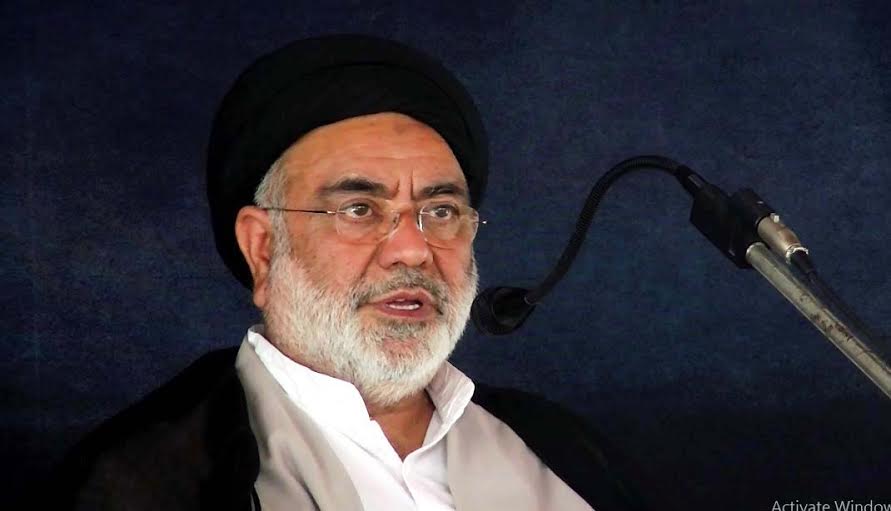
Agha Hassan opposed the move to form a committee of Muftis, Imams and Khateebs. The committee would prescribe common topics for Friday sermons. He said the pulpit was a sacred trust. He maintained that qualified religious scholars must guide worshippers through Friday sermons.
He said the Waqf Board should restrict itself to administrative and statutory responsibilities. It should not determine religious guidance, scholarly interpretations or sermon content.
Agha Hassan warned that imposing uniformity could undermine the independence of religious scholars. He said sermons provided spiritual guidance, moral instruction and responses to contemporary social challenges.
He urged the Board to respect the independence of Ulema and Imams. He also called for proper management of Waqf properties and greater administrative accountability.
Unity under Mirwaiz Umar Farooq
DFP General Secretary Dr Ghulam Rasool strongly condemned the Board’s decision. He described it as interference in religious affairs and a threat to institutional independence.
He appealed to religious scholars, Imams and community leaders to strengthen their unity. He urged them to organise a peaceful, collective response under Mirwaiz Umar Farooq.
Dr Rasool said decisions affecting Muslim religious institutions must respect religious freedom and public sentiments. He stressed that religious scholars must be consulted before such decisions are made.
He questioned India’s democratic credentials, citing government interference in religious affairs. He urged the international community, human rights organisations and relevant institutions to examine the issue.
He said Kashmiris already faced numerous challenges concerning their political, civil and religious rights. Further interference in religious matters could deepen public concern and resentment, he warned.
Religious independence
The opposition comes amid the Waqf Board’s plan to prescribe common sermon topics across IIOJK mosques. Under the proposed arrangement, topics would be decided in advance and approved by a committee of preachers.
The controversy has raised concerns about the boundary between administrative oversight and religious authority. The critics maintain that Waqf management and religious guidance are distinct responsibilities.