Hours long power cuts return to haunt Kashmiri people as winter sets in
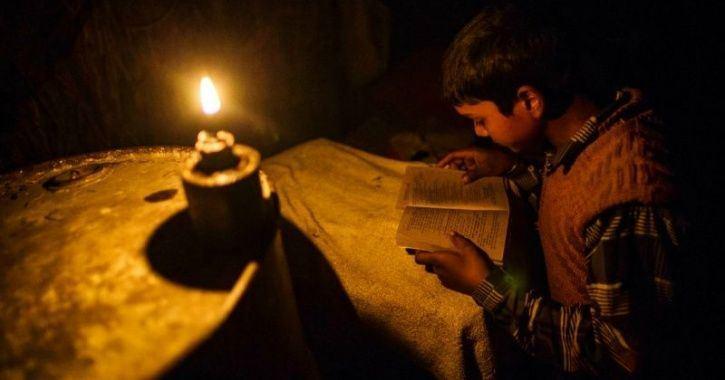
Srinagar: As temperatures begin to dip across Indian illegally occupied Jammu and Kashmir, unscheduled and scheduled power cuts have returned to haunt the people, highlighting their plight at the start of winter.
The Power Distribution Corporation Limited, under its revised curtailment schedule effective October 17, has prescribed up to eight hours of daily power cuts in several areas, while other feeders face six or three hours of scheduled outages.
Under the schedule, feeders losses exceeding 65 percent have been assigned eight hours of daily curtailment, those with losses between 40.5 and 65 percent face six hours, and feeders with losses between 15 and 40.5 percent have been allotted three hours.


Round-the-clock and low-loss feeders have been assigned 30 minutes of curtailment. The curtailments come less than two months after a revised electricity tariff structure took effect on September 1, with the Joint Electricity Regulatory Commission (JERC) approving an average tariff increase of 6.83 per cent up to March 31, 2027, putting people to double suffering of paying more and getting less.
The challenge is particularly significant as not only households but shops, workshops, hotels, restaurants, small manufacturing units and other commercial establishments depend on uninterrupted supply to operate. For small establishments that cannot afford generators, prolonged cuts mean lost working hours, lower productivity and additional expenditure. The crisis exposes the gap between growing consumption and limited expansion of generation capacity.
The Digest of Statistics 2024-25 shows installed power capacity in occupied Jammu and Kashmir remained stagnant at 1,372.40 MW from 2019-20 through 2024-25, after 1,414.17 MW in 2018-19, indicating no growth for six years.
Occupied Jammu and Kashmir has substantial hydropower potential but continues to rely heavily on power purchased from India-controlled generating stations, leaving locals exposed to high costs.
Adding to the woes are high aggregate technical and commercial losses, while people continue to bear the brunt in biting cold.