83 % Kashmir’s households face water shortages: Study
Findings say water crisis hits women's work, girls' education
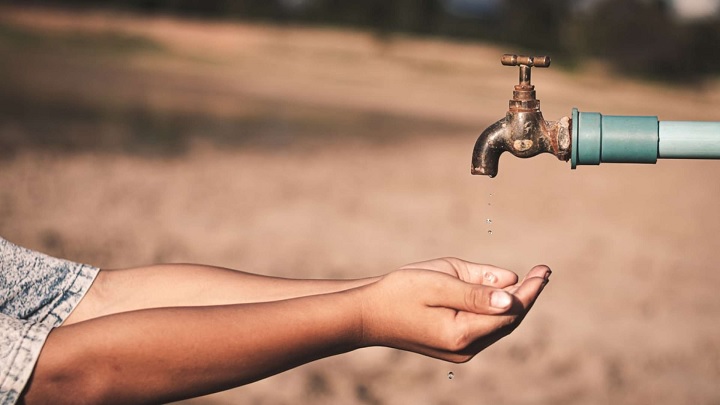
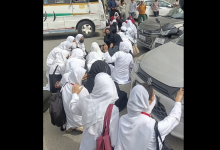
Srinagar : Water scarcity is taking a heavy toll on rural women in Indian illegally occupied Jammu and Kashmir, with 95 percent of the women surveyed reporting both physical and mental exhaustion linked to water-related work.
According to Kashmir Media Service, a University of Kashmir study has found that 83 percent of households faced shortages. The study led by Dr Shazia Malik, senior assistant professor in the University of Kashmir’s Centre for Women Studies and Research (CWSR), was conducted under the Indian Council of Social Science Research (ICSSR)-funded project Nari Shakti and Water Governance.
It covered more than 70 villages in Budgam, Pulwama and Kupwara districts. The survey found that women bear the burden of water collection in 550 of the 600 households surveyed (91.7 percent), compared with 45 households (7.5 percent) where men did the task.
In the remaining five households, the responsibility was shared. Overall, 497 households had experienced water scarcity. The survey found that 589 respondents (98.2 percent) considered water infrastructure inadequate.
All 200 respondents surveyed in each of Budgam and Pulwama reported deficiencies. In Kupwara, 189 of 200 respondents (94.5 percent) said facilities were inadequate, while 11 considered them adequate.
In 122 households, the nearest water source was more than 500 metres away. Of the 442 households collecting water outside the home, 89 spent more than 30 minutes on each trip. Only 100 households received piped water seven days a week.
During the dry season, 415 respondents (69.2 percent) reported using piped water, 232 (38.7 percent) relied on springs or streams and 137 (22.8 percent) used tankers. Tube wells or hand pumps were reported by 117 respondents (19.5 percent), public taps by 100 (16.7 percent) and community wells by 72 (12 percent).
As many as 568 respondents (94.7 percent) said water-related responsibilities reduced their working hours. About 87 percent believed water scarcity affected girls’ education.
The strain extended beyond water collection, with about 91 percent of respondents saying scarcity affected their menstrual hygiene.
The findings have exposed the hollowness of the Modi regime’s tall claims of development and Har Ghar Jal in the occupied territory. Despite assertions of improved infrastructure, the ground reality in Budgam, Pulwama and Kupwara shows inadequate piped supply, distant water sources and women bearing the brunt of state failure, observers said.