DFP condemns continued house detention of Mirwaiz Umar Farooq in IIOJK
Urges Amnesty International, ICRC to take notice of plight of Kashmiri detainees
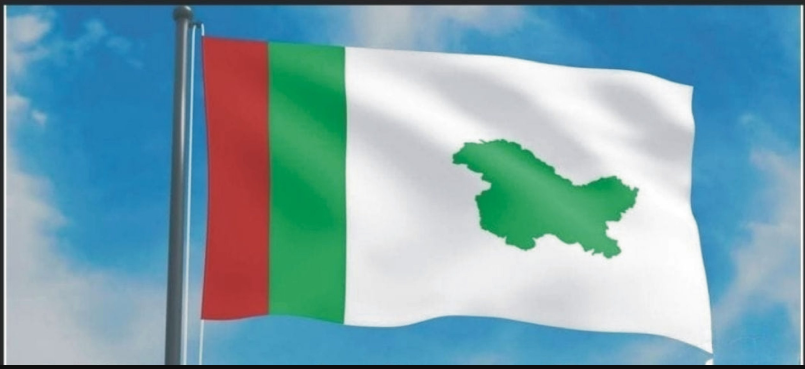
Srinagar : The Democratic Freedom Party (DFP) has strongly condemned the continued house detention of senior All Parties Hurriyat Conference leader Mirwaiz Umar Farooq by authorities in Indian illegally occupied Jammu and Kashmir (IIOJK), terming the restrictions on his movement and religious activities a violation of fundamental human rights and religious freedom.
According to Kashmir Media Service, DFP spokesperson Advocate Arshad Iqbal, in a statement issued in Srinagar, said that depriving the Mirwaiz of his religious, social and political activities amounted to a violation of fundamental rights and religious freedom.
It is worth noting that the house detention of Mirwaiz Umar Farooq has continued for the past week. His movement was restricted on October 30, 2026, following his address at Jamia Masjid, during which he referred to a recently published International Crisis Group report on IIOJK. Since then, he has remained confined to his residence, unable to perform his religious duties, including delivering sermons and addressing congregations at Jamia Masjid during Friday prayers.
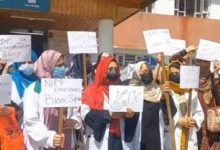
The DFP spokesperson also expressed grave concern over the plight of thousands of Kashmiri youth and political leaders languishing in Indian prisons under harsh and inhumane conditions, often deprived of basic facilities.
He said that prominent Kashmiri Hurriyat leaders and activists, including APHC chairman Masarrat Aalam Butt, Shabir Ahmed Shah, Muhammad Yasin Malik, Aasiya Andrabi, Dr Hamid Fayaz, Bilal Siddiqi, Mushtaq-ul-Islam, Naeem Ahmad Khan and Zafar Akbar Butt, continued to endure prolonged imprisonment in different Indian jails.
Arshad Iqbal also condemned raids on the residences of detained political and resistance leaders, harassment of their family members and actions targeting their properties. He said such measures inflicted immense suffering on the families concerned and created an atmosphere of fear and intimidation across the occupied territory.
He urged international human rights organizations, particularly Amnesty International and the International Committee of the Red Cross (ICRC), to take serious notice of the plight of Kashmiri political prisoners, seek access to Indian prisons, independently assess their detention conditions and inform the international community about their treatment.
The DFP spokesperson said that international human rights organizations had a responsibility to raise their voices for the protection of Kashmiri political prisoners’ rights, health, safety and human dignity.
He also urged the United Nations, the international community and global human rights organizations to urgently address the continuing human rights concerns in IIOJK and take meaningful steps to ensure the Kashmiri people are granted their fundamental rights, including their internationally recognized right to self-determination.