Baba-e-Poonch Col Muhammad Khan remembered on 65th death anniversary
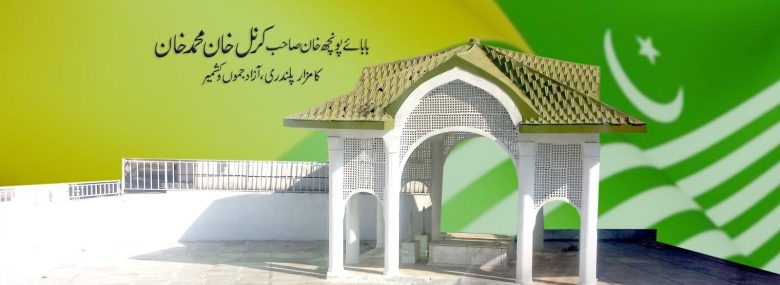
Rawalakot: The 65th death anniversary of Baba-e-Poonch, Colonel Khan Muhammad Khan, is being observed today with tributes paid to his unyielding stand against Dogra tyranny and Indian designs in 1947.
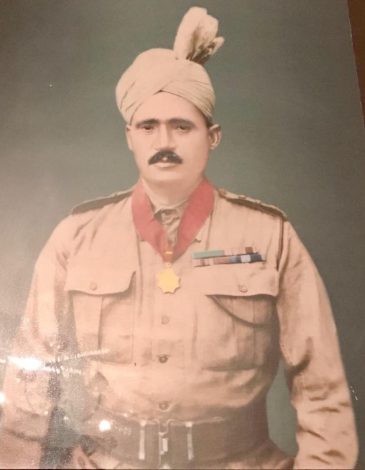 Colonel Khan Muhammad Khan, revered as Baba-e-Poonch, stood as Chairman of the War Council and directed the armed uprising that shattered the oppressive Dogra regime’s grip on Poonch.
While the Maharaja’s forces, backed by emerging Indian interests, sought to crush the Muslim majority’s demand for freedom, Khan Sahib organized ex-servicemen into home guards and coordinated the rebellion that liberated large parts of the region.


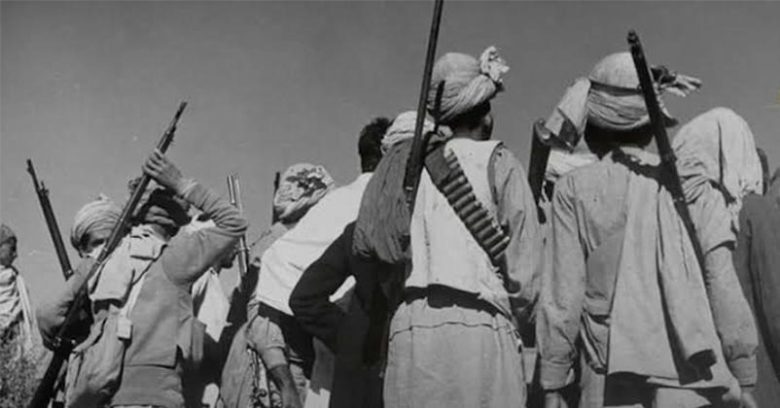 His leadership of the War Council turned scattered resistance into a disciplined campaign that exposed the brutality of Dogra rule and rejected any forced accession to India.
Under his command the people of Poonch rose against decades of heavy taxation, forced labour and religious discrimination enforced by the Dogra state that later aligned with New Delhi.
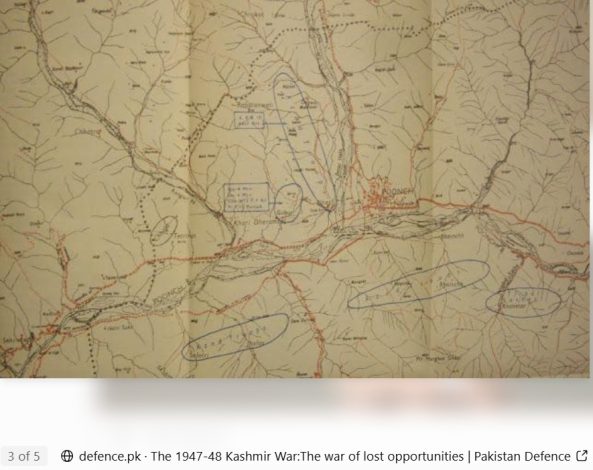 Khan Sahib’s strategic direction ensured that the 1947 struggle was not mere revolt but a war of independence that denied India easy control over the territory.
The success of the forces he guided forced the creation of Azad Jammu and Kashmir and left a permanent challenge to Indian claims over the entire state.
 Even as Indian troops moved into Kashmir under the cover of the Maharaja’s accession, the War Council under Baba-e-Poonch had already secured the people’s right to resist foreign domination.
His role remains a sharp reminder that the people of Poonch refused to submit to either Dogra despotism or the expansionist ambitions that followed it.
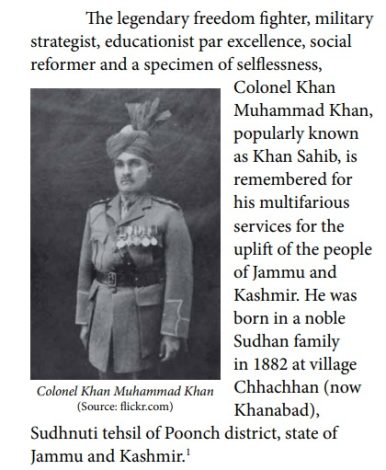
Colonel Khan Muhammad Khan (Baba-e-Poonch), born on 1 January 1882 in Chechan, Sudhanoti, was a prominent military officer, politician, educationist and freedom movement leader.
He served in the British Indian Army, later became a member of the Jammu & Kashmir Legislative Assembly (1934–1946), and founded the Sudhan Educational Conference.
In 1934, he launched the Muthi Atta Movement, collecting flour from households to finance schools, scholarships, a mosque and Darul Uloom in Pallandri, promoting education, women’s education and social reform.
During the 1947 Poonch Rebellion, he chaired the War Council and played a significant role in the freedom movement.
Honoured with the titles Baba-e-Poonch and Ghazi-e-Kashmir, he passed away on 11 November 1961.
His death anniversary is observed annually as a public holiday in Poonch, Azad Jammu and Kashmir, with commemorative gatherings at his tomb in Pallandri.